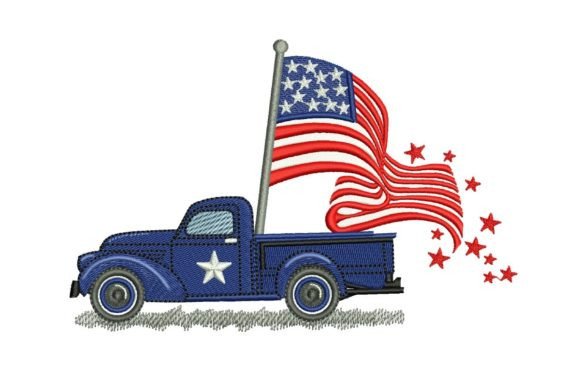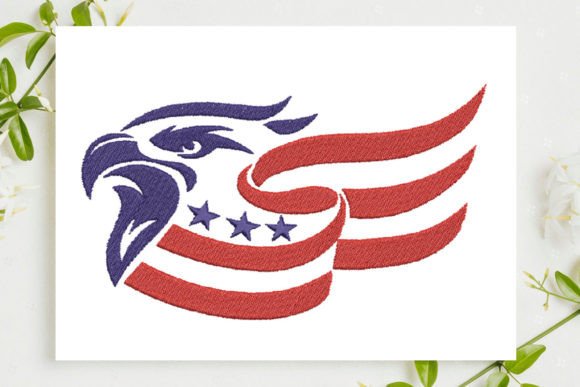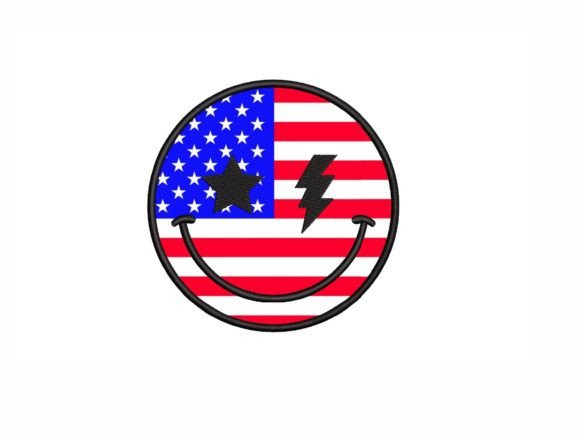
4th of July Collection
As an embroidery designer who has spent years refining my craft for both personal projects and commercial orders, I approach every new design file with a mix of excitement and skepticism. When I first encountered the 4th of July Collection on Creative Fabrica, I wasn't just looking for festive graphics; I needed reliable assets that could elevate a handmade product line for the upcoming holiday season. After reviewing the files and testing them against real-world scenarios like tote bags, sweatshirts, and baby items, here is my honest evaluation of whether this collection belongs in your digital library.
First Impressions: Visual Mood and Stitch Personality
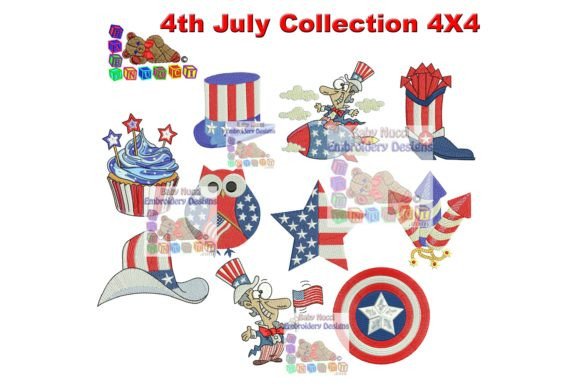
The moment you open the folder for the 4th of July Collection, the visual appeal is immediate. The designs capture the essence of Independence Day without feeling cluttered or overly kitschy. For a professional embroiderer, the "personality" of a design is everything. Does it look like a machine stitched it, or does it feel like art? These ten designs strike a balance between decorative flair and practical wearability. They are versatile enough to appear on anything from a rugged canvas apron to a delicate baby blanket.
The variety within the set suggests that the creator understood the breadth of the category. You aren't just getting one generic flag motif; the collection offers different interpretations that can serve distinct purposes in your shop. Whether you are creating a bold statement piece for a men's sweatshirt or a subtle, charming detail for a kitchen towel, there is likely a design here that fits the specific aesthetic of your brand. This versatility is crucial for designers who want to maintain a cohesive yet diverse catalog throughout the summer months.
Real-World Performance in Custom Apparel and Home Decor
When I considered using these files for actual customer orders, I looked at how they would translate across different fabric types. The description notes that the designs work well on towels, t-shirts, sweatshirts, and various clothes, which aligns perfectly with current market trends. In my experience, the success of a machine embroidery design often depends on its adaptability.
- Custom Apparel: For t-shirts and sweatshirts, the stitch density appears appropriate for cotton blends. However, on stretchy fabrics, proper stabilization is non-negotiable to prevent puckering. The designs seem robust enough to handle the movement of daily wear without losing their shape.
- Home Decor: Kitchen towels and pillow covers are high-volume sellers during the holidays. The clean lines of these designs should hold up well on heavy cotton duck or terrycloth, providing a polished look that elevates the perceived value of the finished product.
- Baby Items: For baby blankets or onesies, the safety and comfort of the stitching are paramount. If the design includes dense fill stitches, it is vital to ensure the back of the embroidery remains smooth so it doesn't irritate sensitive skin.
I also envision these files being used for embroidered patches or caps. The curved nature of cap surfaces requires precise digitizing to avoid distortion. While the 4th of July Collection looks promising, the curvature of a cap means you must test the design specifically on that surface before mass-producing inventory.
Navigating Practical Embroidery Challenges
Every designer knows that a beautiful preview image does not always guarantee a perfect stitch-out. When evaluating the 4th of July Collection for commercial use, several technical factors require careful attention.
Hoop Size and Tiny Details: Some designs in seasonal collections can be ambitious regarding size. If you plan to use small hoop sizes for items like baby booties or small tote bag accents, you need to verify that the lettering and fine details remain legible after stitching. Running stitches and satin borders can sometimes blur if the design is too large for the available hoop space.
Thread Color Contrast: Independence Day themes often rely on red, white, and blue. On dark fabrics, light threads may not show up as vibrantly as expected, requiring underlay adjustments or specific thread choices. Conversely, on light fabrics, dark threads might bleed visually if the stitch density is too high. Always review the thread color suggestions provided in the file and adjust based on your specific fabric choice.
Stabilizer Selection: The longevity of the finished product depends heavily on the stabilizer used. For items that will undergo frequent washing, such as aprons or dish towels, a cut-away stabilizer is often superior to tear-away to prevent the design from distorting over time. If you are working with textured fabrics, a water-soluble topping might be necessary to keep satin stitches crisp.
Impact on Product Value and Brand Consistency
In the world of handmade goods and Etsy listings, visual presentation drives sales. High-quality embroidery signals professionalism and care. Using a cohesive set like the 4th of July Collection helps maintain brand consistency across your product line. A buyer browsing your shop will notice when all your Independence Day items share a similar design language, which builds trust and encourages repeat purchases.
Furthermore, the quality of the embroidery directly influences the giftability of your items. A beautifully stitched design on a tote bag or a personalized sweatshirt feels more luxurious than a poorly executed print. When customers receive a finished product where the stitches are even, the colors are vibrant, and the alignment is precise, they are more likely to leave positive reviews and recommend your shop to others. This collection has the potential to enhance the perceived value of your merchandise, allowing you to price your items competitively while maintaining high standards.
Essential Pre-Production Checklist
Before you start producing a full run of products using these files, I strongly advise following a rigorous testing protocol. Even the most experienced designers never skip this step. Here is what you should do before selling any item made with the 4th of July Collection:
- Test on Scrap Fabric: Always stitch out a sample on the exact fabric you intend to use. This reveals issues with tension, puckering, or thread breaks that are invisible in digital mockups.
- Check File Details: Go to the Creative Fabrica product page and confirm the file formats (e.g., PES, DST, EXP) are compatible with your specific embroidery machine.
- Review Licensing: Ensure you understand the terms of use regarding commercial projects. Most Creative Fabrica licenses allow for end-products to be sold, but checking the specific agreement prevents legal headaches later.
- Inspect Small Details: Zoom in on the digital preview and then examine your physical stitch-out. Are the tiny stars or letters clear? Is the text readable?
- Compare Light vs. Dark Mockups: Create digital mockups showing the design on both light and dark backgrounds to visualize the final contrast before cutting fabric.
Ultimately, the 4th of July Collection offers a solid foundation for your summer sewing projects. It provides a fun touch that resonates with the spirit of the holiday while offering the structural integrity needed for professional results. By taking the time to test these files thoroughly and selecting the right materials, you can create stunning custom apparel, home decor, and gifts that stand out in a crowded marketplace. Whether you are a seasoned pro or a creative entrepreneur just starting out, having reliable design assets like these is key to streamlining your workflow and delivering exceptional handmade products.