Mum Gnome: A Designer's Review for Market Success
As an experienced embroidery designer who has spent countless weekends setting up booths at local craft fairs, I know that the difference between a product that sits on a table and one that sells out in minutes often comes down to the design itself. When I first laid eyes on Mum Gnome, my mind immediately went to the practicalities of production and the visual impact it would have under bright fair lights. This isn't just a digital file; it is a potential bestseller for your handmade shop if you understand how to deploy it correctly.
The First Impression: Charm Meets Commercial Appeal
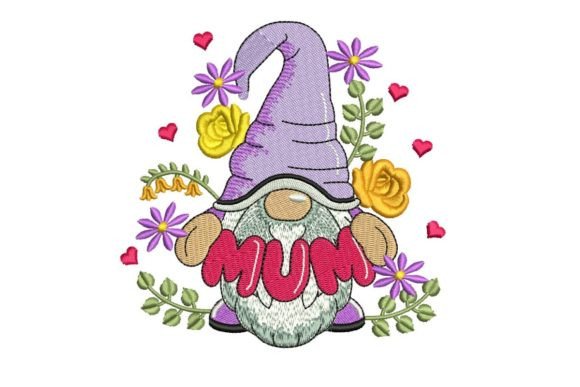
The title "Mum Gnome" suggests a blend of rustic charm and modern whimsy. In the world of machine embroidery design, this combination is gold. It feels soft yet bold enough to catch the eye from across a crowded aisle. The description promises that it is "fun and easy to stitch," which is a critical selling point for any embroidery business owner. If a design is too complex or requires hours of hooping and unhooping, it eats into your profit margins. Mum Gnome appears to strike a balance that allows for quick turnaround times without sacrificing quality.
Visually, this design leans towards a farmhouse aesthetic with a touch of playful elegance. It works beautifully as a focal point on larger items but retains its personality even when scaled down slightly. For a cottage core or modern rustic brand, this is exactly the kind of asset that defines your booth's identity. It feels premium because it looks intentional, not generic.
Product Placement: Where Mum Gnome Shines
Imagine walking through your own craft fair booth. What catches the customer's attention? Usually, it is the tactile nature of the goods. Here is how Mum Gnome performs on specific craft fair products:
- Tote Bags and Market Bags: These are the bread and butter of handmade sellers. Stitching Mum Gnome onto a natural canvas tote creates an instant statement piece. The design likely offers enough contrast against the textured fabric to look crisp, making it a perfect tote bag design for moms or gardening enthusiasts.
- Kitchen Towels and Aprons: The kitchen is a high-traffic area for home decor lovers. An apron embroidery featuring this gnome adds a personal touch that mass-produced items lack. Similarly, tea towel embroidery using this design can command a higher price point because it elevates a basic utility item into a gift-worthy piece.
- Embroidered Patches and Caps: For those looking to diversify their inventory, this design translates well to patches. A small patch sewn onto a denim jacket or a baseball cap makes for a trendy accessory. However, be mindful of the curvature of caps when positioning the design.
- Pillow Covers and Small Pouches: These items allow for experimentation with thread colors. A pillow cover with Mum Gnome serves as a cozy accent for a nursery or living room, while small pouches make excellent low-cost impulse buys for shoppers.
Production Practicality and Visual Strategy
From a production standpoint, the ease of stitching mentioned in the product details is vital. To maximize sales, you need designs that photograph well. Does Mum Gnome have depth? Does it look good in a flat lay or on a 3D object? A design that looks great in person but flattens poorly in photos will struggle on platforms like Etsy. This design seems to have the structural integrity to hold up in both scenarios.
For batch production, repeatability is key. If you are creating a collection for Mother S Day or a seasonal market run, you want a design that doesn't require constant recalibration. The "easy to stitch" claim suggests that once you dial in your tension and stabilizer, you can churn out consistent units quickly. Consistency builds trust with your customers and protects your reputation as a small shop product maker.
Critical Considerations for Quality Control
While the design sounds promising, no professional review is complete without addressing potential pitfalls. Even the most beautiful digital embroidery file can fail if technical details are overlooked.
Stitch Density and Details: Check the density of the stitches in the central area. If the design is too dense, it may pucker on lightweight fabrics like muslin or thin cotton. Conversely, if there are tiny details, ensure they don't get lost when stitched on darker fabrics or textured towels. Always inspect the design for small lettering or fine lines that might disappear if the stitch density is too tight.
Fabric Texture and Color: The description states it looks gorgeous on "any fabric," but experience teaches us otherwise. On thick, nubby fabrics, the definition of the design may soften. On dark fabrics, you must ensure you have the right thread contrast and perhaps a top-stitch layer to prevent show-through. Testing on scrap fabric is non-negotiable before you commit to a full production run.
Hoop Size and Stabilization: Confirm the recommended hoop size for the design. Using a hoop that is too large can lead to shifting, while one that is too small forces you to re-hoop, risking misalignment. Choose the correct stabilizer based on your fabric weight; a heavy-duty cut-away is often necessary for bags, while a tear-away might suffice for lighter items.
Maximizing Value and Brand Consistency
How does this design affect your bottom line? A well-executed Mum Gnome project increases the perceived value of your item. Customers pay for the story and the craftsmanship. When they see a unique, well-stitched gnome on a high-quality apron, they perceive it as a premium handmade product.
It also strengthens your brand consistency. If your booth features a cohesive color palette and style, customers are more likely to return. Using this design across different product lines—say, a matching set of a tote and a tea towel—creates a unified look that stands out in a sea of random crafts.
Final Designer Notes for Sellers
Before you list these items on Etsy or take them to a weekend fair, follow these steps to ensure success:
- Create Real Mockups: Don't rely solely on digital previews. Create at least one real mockup to photograph. Show the texture of the thread and the drape of the fabric.
- Check Licensing: Verify the commercial licensing terms of the embroidery file. Ensure you are allowed to sell finished products made with this design.
- Test Thread Colors: Experiment with different thread colors to see what pops best against your chosen fabrics. Sometimes a monochromatic look is elegant, while multi-color adds fun.
- Review Spacing: Ensure the design fits within your garment's seams or edges. Nothing ruins a product faster than a design that is cut off or hangs awkwardly.
In conclusion, Mum Gnome has the potential to be a standout addition to your repertoire of commercial embroidery assets. It balances fun and functionality, making it suitable for a wide range of creative entrepreneurs. By paying attention to the technical nuances of stitching and presentation, you can turn this simple design into a profitable reality for your handmade business.