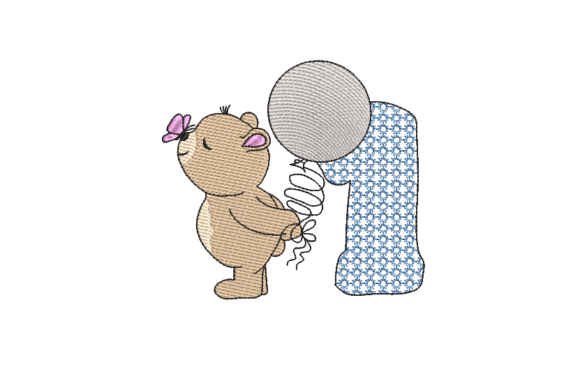
Number One Cute Teddy Bear Review for Craft Fairs
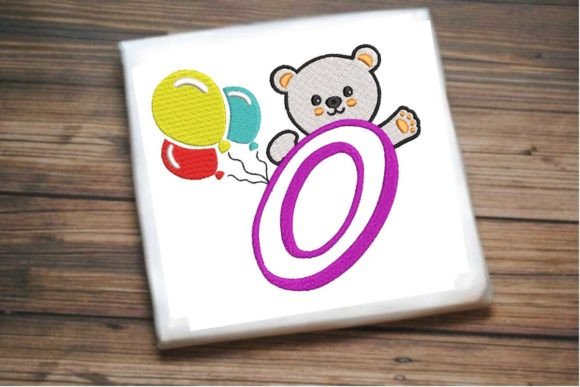
As an experienced embroidery designer who spends weekends setting up booths and managing online shops, I know that the difference between a product that sits on a table and one that flies off it often comes down to the design itself. When I first looked at Number One Cute Teddy Bear, my immediate reaction was one of excitement. This isn't just another generic clipart; it has a specific energy that screams "handmade." The description notes that this adorable sketch is designed to look hand-drawn and is lightly filled with no or little underlay. For a seller looking to maximize efficiency without sacrificing quality, this is music to my ears.
The First Impression: Why It Stands Out
The visual language of Number One Cute Teddy Bear is soft, modern, and undeniably cute. Unlike dense, heavy designs that can feel stiff or industrial, this piece captures the charm of a quick sketch. The lack of heavy underlay means the stitches will sit higher and softer on the fabric, giving it a textured, artisanal feel that customers love to touch. In a market saturated with mass-produced goods, the "hand-drawn" aesthetic creates an instant connection. It feels approachable and warm, making it perfect for gift-giving occasions or as a sweet accent on everyday items.
When I imagine this design in a physical booth, it stands out because it doesn't try too hard. It is not overly bold or aggressive; instead, it offers a gentle visual appeal that invites closer inspection. This subtle charm is crucial for craft fair sellers who want their products to feel premium yet accessible. The design works beautifully as a focal point on small items or as a delightful detail on larger pieces.
Product Potential: Where This Design Shines
I have spent years testing which embroidery file styles translate best into real-world craft fair products. Here is how Number One Cute Teddy Bear performs across various categories:
- Tote Bags and Market Bags: This is where the design truly excels. A tote bag design needs to be visible but not overwhelming. The light fill of this teddy bear allows it to serve as a charming logo or a central motif without adding excessive weight to the canvas. It photographs exceptionally well for Etsy listings, catching the eye in a grid of images.
- Aprons and Kitchen Towels: For apron embroidery and tea towel embroidery, the sketch style adds a rustic, farmhouse vibe. Customers buying these items are often looking for something that makes their kitchen feel cozy. This design fits that narrative perfectly. The minimal underlay ensures the fabric breathes, preventing the stiffness that often ruins the drape of a tea towel.
- Embroidered Patches and Caps: If you are creating embroidered patches or decorating caps, the clean lines of this design are vital. Curved surfaces like hats can distort complex patterns, but the simple, open structure of Number One Cute Teddy Bear holds its shape well. It acts as a great brand asset for boutique makers looking to add a signature touch.
- Small Pouches and Pillow Covers: For small shop products like zippered pouches or pillow covers, this design offers high impact relative to its size. It is large enough to be seen from a distance on a display table but detailed enough to satisfy a customer looking for quality craftsmanship.
Production Efficiency and Batch Selling
One of the biggest challenges for digital embroidery file creators and commercial embroidery business owners is time. You cannot spend hours stitching every single item if you plan to sell at a busy weekend market. The description highlights that this design is quick to stitch out with a major impact. This is a critical selling point for production workflows.
Because there is no or little underlay, the machine runs faster, and thread consumption is lower. This efficiency allows you to produce batches of finished products more quickly, increasing your profit margins. Furthermore, the instruction that resizing or altering the design is not recommended suggests that the artist has optimized the stitch paths specifically for the current dimensions. Trying to shrink it might ruin the balance of the sketch lines, so sticking to the original size ensures the finished product retains its intended character.
Photography and Online Presentation
In the world of Etsy sellers and digital marketing, your photos are everything. Number One Cute Teddy Bear is designed to photograph beautifully. The contrast provided by the light fill against various fabrics will show up clearly in close-up shots. Whether you are using printable mockups for your website or taking real photos for social media, the soft texture of the stitches will catch the light in a way that conveys quality. It looks expensive but handmade, a combination that drives sales.
Practical Designer Notes for Success
Before you rush to print labels or set up your booth, there are some technical considerations you must address to ensure your machine embroidery design performs flawlessly. As a professional, I always advise my team to follow these steps:
- Test on Scrap Fabric: Never run a new design directly onto your final product. Test Number One Cute Teddy Bear on scrap fabric that matches the texture and thickness of your target material. This helps you gauge how the stitches lay on different surfaces.
- Check Thread Contrast: Since the design is lightly filled, the color of your thread is paramount. Ensure the thread colors pop against the background fabric. On dark fabrics, you may need a slightly denser top layer to maintain visibility, even if the underlay is minimal.
- Review Spacing and Hoop Size: Confirm the hoop size required for the design. If you are placing this on a small pouch, ensure the hoop won't crush the item. Also, check the spacing to ensure the design does not get cut off by seams or edges.
- Select the Right Stabilizer: Even with little underlay, proper stabilization is key. Use the correct stabilizer for your fabric texture to prevent puckering. For towels and aprons, a tear-away or cut-away stabilizer is usually necessary to support the stitches during the process.
- Inspect Stitch Density: Look closely at the stitch density in your test run. While the design is light, areas that are too sparse might look unfinished, while areas that are too dense might lose the "sketch" look. Adjust your tension if needed to achieve the desired effect.
- Create Real Mockups: Before listing items, create at least one real mockup. See how the design behaves after washing and handling. This step is essential for maintaining brand consistency and ensuring customer satisfaction.
- Confirm Commercial Licensing: Always verify your commercial licensing rights before selling finished products. Ensure you have the permission to use design assets for resale.
Final Thoughts on Visual Appeal and Sales
Ultimately, Number One Cute Teddy Bear is more than just a pattern; it is a tool for building a brand. It affects visual appeal by adding a touch of whimsy and warmth to any item. It grabs customer attention not through loudness, but through authenticity. In a booth full of polished, uniform items, a hand-drawn style sketch feels personal and special.
This design supports handmade quality by allowing the natural texture of the fabric to shine through. It enhances booth display strength by offering a cohesive theme for a collection of gifts, whether they are tote bags, aprons, or patches. Buyers engage with it because it tells a story of care and creativity.
If you are a creative entrepreneur looking to expand your inventory with items that sell well and produce efficiently, this design is a strong candidate. Just remember to respect the design's integrity by avoiding resizing and paying close attention to your production setup. With the right execution, Number One Cute Teddy Bear can become a staple in your small shop product line, delighting customers and boosting your sales at every craft fair and online store.