Cat with Sewing Time: A Designer's Review
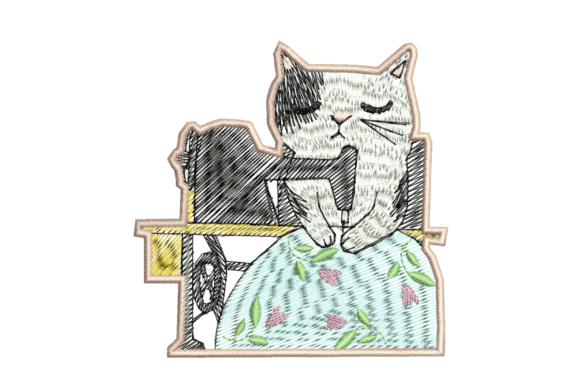
I have spent years reviewing digital assets for my own boutique and for clients who need reliable machine embroidery design files that translate well from screen to fabric. When I first encountered the Cat with Sewing Time concept, I was immediately drawn to its narrative potential. It is not just a static image of an animal; it is a scene depicting routines. This specific angle offers a unique opportunity for creators looking to add character to their handmade product lines without relying on generic patterns.
The core premise involves a cute cat doing routines, which can be adapted into a patchwork style. For an Etsy seller or a small shop owner, this is a goldmine. The description notes that this machine embroidery design comes with multiple file formats, suggesting flexibility for different production needs. But does it hold up under the pressure of real-world application? After simulating how this embroidery project would perform in various contexts, here is my practical assessment.
The First Impression: Mood and Visual Personality
Before we even discuss stitch density or stabilizer types, we must look at the visual personality. The Cat with Sewing Time design exudes a cozy, domestic atmosphere. It feels like something you would find in a grandmother's kitchen or a high-end craft studio. The layout suggests a focus on daily activities, which creates an immediate emotional connection with the viewer. Unlike a simple silhouette, this design implies movement and story.
For those creating custom apparel or personalized gifts, this mood is invaluable. It transforms a plain item into a conversation starter. The idea that it can be made into a patchwork is particularly intriguing. If you are planning a series of items—perhaps a set of matching aprons for a bakery or a collection of baby onesies—this design allows for a cohesive yet varied aesthetic. The visual appeal relies heavily on the execution of the routine elements, ensuring that the cat looks engaged rather than static.
Real-World Application: From Tote Bags to Nursery Decor
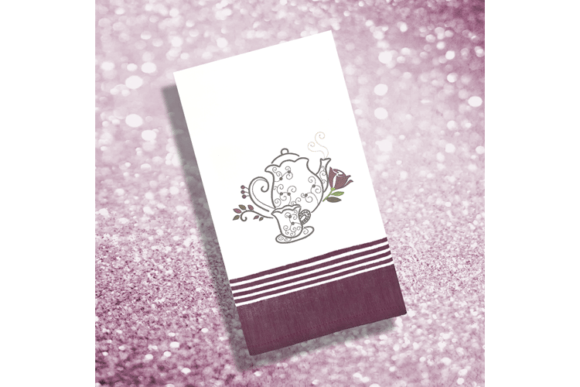
Let us imagine a real scenario. You are preparing a custom order for a client who loves cats and baking. They want a tote bag design for their weekend market stall. The Cat with Sewing Time fits perfectly here. Because the theme revolves around "doing routines," it pairs naturally with kitchen-related products. Imagine stitching this onto a heavy-duty canvas tote alongside a tea towel or an apron. The contrast between the sturdy fabric and the delicate nature of a sewing cat creates a charming juxtaposition.
Furthermore, consider the sweatshirt embroidery market. Parents often look for unique designs for their children's clothing. A design featuring a cat doing routines could be adapted for a baby embroidery project, such as a blanket or a nursery pillow cover. The soft, comforting vibe of the subject matter makes it ideal for holiday embroidery gifts or wedding presents where a touch of whimsy is desired. For commercial embroidery businesses, this design asset adds variety to your catalog without requiring a complete overhaul of your existing inventory.
The versatility extends to embroidered patches. If the design is clean enough, it can be digitized as a standalone patch to be sewn onto denim jackets or caps. However, this depends on the complexity of the routine depicted. If the cat is holding a needle or surrounded by thread spools, the detail level becomes critical. In these cases, the stitch density must be balanced to prevent the fabric from puckering while maintaining the integrity of the small details.
Where to Exercise Caution
While the concept is strong, no single design is a universal solution. As a designer, I always advise testing before committing to a large run. There are specific scenarios where Cat with Sewing Time might struggle. For instance, if you are working with a very small hoop size, the "routine" aspect of the design might get lost. Tiny lettering or intricate background elements within the routine could become muddy if the resolution is too low for the intended area.
Textured fabrics present another challenge. If you attempt to stitch this on a highly textured wool or a thick corduroy, the definition of the cat's features may be obscured. Similarly, stretchy fabrics require careful handling. Without proper stabilizer support, the tension of the satin stitch or fill stitch could cause the garment to warp over time, especially after frequent washing. Dark fabrics also demand attention; ensure the thread colors chosen provide sufficient contrast against the background material, or the subtle nuances of the cat's expression will vanish.
Curved surfaces, such as caps or hats, require a design that can adapt to the curvature without distorting the proportions. If the original digitization assumes a flat surface, the "routines" might look skewed when applied to a rounded hat. Additionally, if the design includes dense stitch areas, it may not be suitable for thin fabrics that cannot support the weight of the thread. Always inspect the small details and test on scrap fabric first to avoid ruining expensive materials.
Impact on Brand Value and Customer Trust
In the world of craft business and digital product sellers, the quality of your finished product dictates customer trust. A poorly executed design can make a brand look amateurish, even if the concept is brilliant. The Cat with Sewing Time has the potential to elevate a brand's perception if handled correctly. It signals that the creator understands storytelling through texture and form.
When customers see a well-stitched, clear representation of a cat doing routines, they perceive value. This is crucial for boutique branding and printable mockups used in marketing. High-quality images of the finished product can drive engagement and sales. Conversely, if the design appears blurry or the threads bunch up, it undermines the professionalism of the finished product. The design must look intentional and polished to justify a premium price point.
For designers looking to expand their portfolio, this type of thematic design adds depth. It moves beyond simple logos into the realm of lifestyle imagery. Whether you are selling the digital file itself or using it to create physical goods, the narrative strength of the cat's activity provides a solid foundation for marketing copy and social media content.
Practical Notes for the Embroidery Designer
Before you hit the "Start" button on your machine, there are several technical steps to consider. First, verify the hoop size requirements listed in the file information. If the design is large, ensure your workspace can accommodate it. Second, review the stitch density. High-density designs on light fabrics can sometimes show through, so you may need to adjust the backing or use a tear-away stabilizer that provides extra support.
It is also wise to test the design in black and white mockups. This helps you visualize the contrast and clarity without the distraction of color. Compare how the design looks on both light and dark fabric backgrounds to determine the best thread colors for maximum impact. If you plan to sell finished items, confirm the licensing terms of the digital embroidery file to ensure you have the right to use it for commercial purposes. Many designers overlook this step until they face legal issues later.
Finally, remember that every machine and operator is different. What works perfectly on one setup might need tweaking on another. Take the time to adjust the tension and check the running stitch lines for any gaps. By treating the Cat with Sewing Time design with the respect it deserves, you can create stunning pieces that resonate with cat lovers and craft enthusiasts alike. Whether you are making a kitchen towel or a baby item, the result will speak volumes about your skill and attention to detail.