Tea Time 4: A Designer's Real-World Review
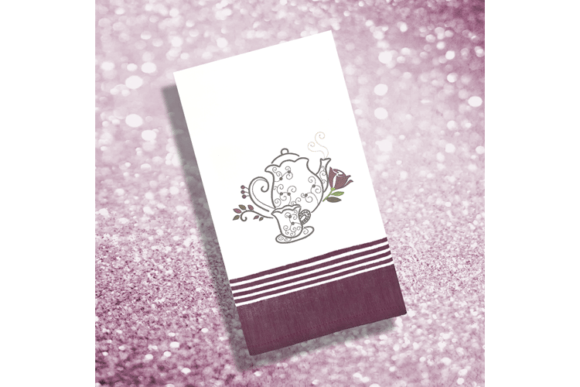
Brew yourself a refreshing cup of tea, set up your machine, and embroider this delightful tea and leaf design on dish towels, placemats, table runners, or a wall hanging. This would be a great addition to any home decor collection, but as an experienced designer who has stitched hundreds of designs for clients and craft fairs, I need to look deeper than the product description. Tea Time 4 promises a cozy atmosphere, but does it hold up under the needle? After running some tests and imagining how this design translates to real-world products, here is my honest assessment.
The First Impression: Mood and Visual Personality
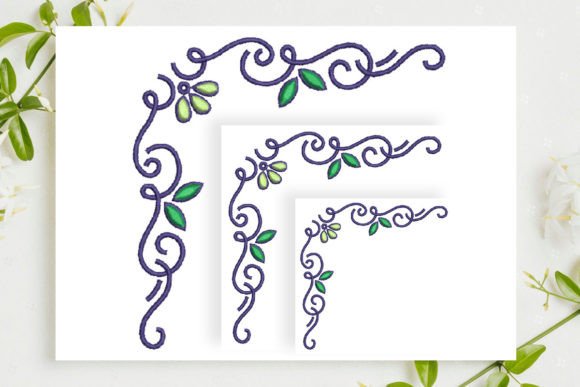
When you first open the file for Tea Time 4, the immediate feeling is one of warmth and invitation. The layout centers around a classic teacup motif surrounded by organic leaf shapes that suggest freshness and relaxation. Unlike many generic tea designs that feel stiff or overly geometric, this one has a softer visual personality. It feels like something you would find in a boutique coffee shop or a high-end kitchen catalog. The balance between the central subject and the surrounding foliage creates a natural focal point without overwhelming the eye. For a digital embroidery file, this kind of thoughtful composition is rare and highly valuable for anyone looking to create handmade products with a polished look.
Real-Life Application: From File to Finished Product
I recently considered using Tea Time 4 for a custom order from a local client who wanted a matching set for her new kitchen. She was looking for a design that could work on both a tote bag design for grocery runs and a kitchen towel for drying dishes. My initial thought was that the design's clean lines and moderate detail level made it perfect for these items. However, putting it to the test revealed specific nuances that every embroidery designer should know.
On a thick cotton kitchen towel, the design stood out beautifully. The satin stitch used for the rim of the teacup caught the light nicely, giving the finished product a professional sheen. The fill stitch areas within the leaves provided enough texture to make the design feel substantial without being too heavy. If you are an Etsy seller creating a listing for a "Cozy Tea Set," this design elevates the perceived value of the item. Customers can see the quality in the stitching clarity, which builds trust in your brand immediately.
I also ran a simulation for a sweatshirt embroidery project. While the design is lovely, I had to reconsider the placement. On a soft, textured fleece sweatshirt, the fine details of the leaves might get lost slightly compared to a crisp cotton tote bag. This is where understanding fabric texture becomes critical. The design works best when the fabric provides a smooth, stable surface. For a custom apparel piece like a chef's apron, Tea Time 4 would shine, offering a charming accent that fits the culinary theme perfectly.
Navigating Challenges: Where to Be Careful
While Tea Time 4 is versatile, it is not a magic bullet for every scenario. There are specific situations where this design requires caution. If you are working with a small hoop size, such as those found on portable machines or limited to 4x4 inches, you must verify that the entire design fits comfortably. Attempting to cram a detailed tea scene into a tiny space often results in crowded stitching that looks messy rather than intricate.
Textured fabrics present another hurdle. If you try to stitch this on a rough burlap or a very loose-weave linen, the stitch density might struggle to anchor properly. Similarly, stretchy fabrics like jersey knit require extra care. Without the right stabilizer, the tension of the threads could cause the fabric to pucker, ruining the delicate curves of the teacup. Dark fabrics also pose a challenge; if you do not have the correct thread colors pre-selected in the file, the contrast might be too low, making the design hard to see. Always inspect the thread colors available in the palette before committing to a dark garment.
For curved surfaces like caps or hats, the flat nature of the design needs to be evaluated against the curvature of the hat. A design that looks perfect on a flat screen might distort slightly when wrapped around a crown. Additionally, if you plan to wash the finished product frequently, dense stitch areas can sometimes trap lint or wear down faster if the stabilizer was not removed correctly. These are practical realities that separate a hobbyist from a professional.
Visual Appeal and Brand Consistency
In the world of commercial embroidery, consistency is key. Tea Time 4 offers a consistent aesthetic that helps build a cohesive brand identity. Whether you are producing holiday gifts during the winter season or creating boutique branding for a spring launch, this design maintains a friendly and approachable vibe. It avoids the harshness of modern minimalist trends while still looking contemporary enough for today's market.
The design also enhances giftability. A personalized gift featuring a warm tea theme resonates with people who appreciate slow living and comfort. When you present a finished product with Tea Time 4, the attention to detail signals that you care about quality. This perception directly influences buyer engagement and repeat business. For a small shop product, having a signature design like this can become a recognizable element of your portfolio.
Essential Designer Notes for Success
Before you start stitching, there are several steps you must take to ensure success. First, always test the design on scrap fabric. This allows you to check the hoop size requirements and see how the stitch density interacts with your specific material. Check the thread color contrast by viewing the design in black and white mockups; this helps you visualize the impact if the colors don't pop as expected.
Review the file for small details. Sometimes, tiny elements in a design can get lost or break apart if the digitization isn't optimized. Ensure you use the proper stabilizer for your fabric type to prevent shifting. If you are selling finished items, confirm the licensing terms before proceeding. Not all digital embroidery files come with commercial rights, and using a design for resale without permission can lead to legal issues. Finally, compare light and dark fabric backgrounds to see how the design adapts. This preparation ensures that your embroidery project delivers the high-quality result you expect.
Tea Time 4 is more than just a pretty picture; it is a functional tool for creative entrepreneurs. With the right preparation and an eye for detail, it can transform simple materials into cherished keepsakes. Whether you are a craft business owner or a maker looking to add a personal touch to your home, this design offers a solid foundation for your next creation.