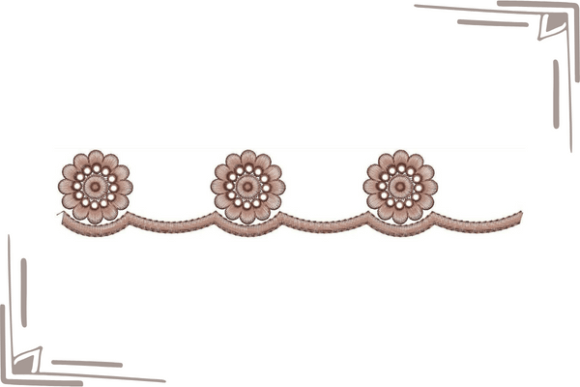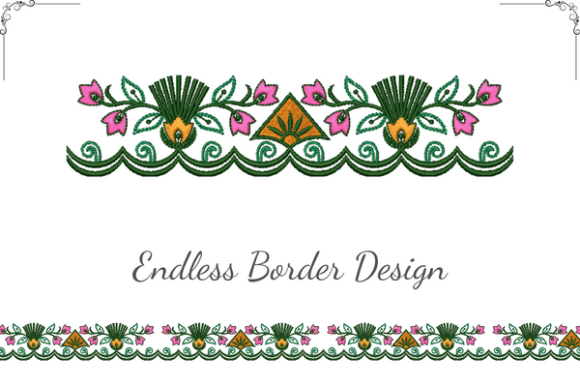
Elegant Art Deco Border Review for Craft Fairs
Stepping into a craft fair or setting up a handmade market booth requires more than just good products; it demands visual impact that stops a passerby in their tracks. As an experienced embroidery designer who has spent years refining designs for commercial production and boutique sales, I recently evaluated the Elegant Art Deco Border with one goal in mind: would this design stand out on my table next to hundreds of other handmade goods? After simulating its application across various items, from aprons to pillow covers, I have found that this piece holds significant potential for sellers looking to elevate their brand aesthetic.
The First Impression: Sophistication Meets Modern Style
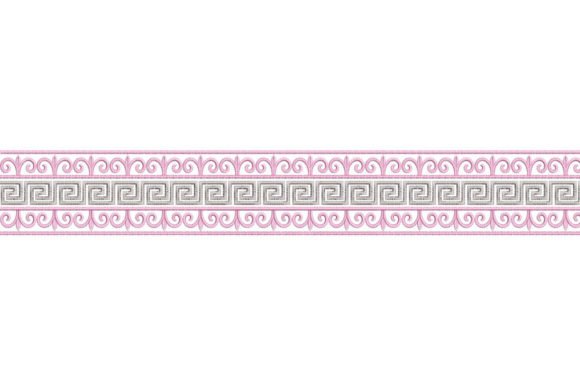
When you first look at the Elegant Art Deco Border, the title alone sets a specific tone. It does not feel rustic, farmhouse, or overly cute. Instead, it exudes a sense of premium quality and structured beauty. The Art Deco style is characterized by geometric lines, symmetry, and a touch of glamour, which makes it incredibly versatile for modern home decor and fashion accessories. For an Etsy seller or a small shop owner, this design offers a way to move away from the saturated "boho" trend and offer something with a sharper, more timeless appeal.
In a crowded booth, customers often scan quickly. A design that looks "bold" and "decorative" without being cluttered is a winner. This border feels like it belongs in a high-end boutique rather than a discount stall. It suggests that the finished product inside is worth a higher price point because the design itself implies care and sophistication. Whether used as a standalone accent or a framing element, the Elegant Art Deco Border immediately signals a level of craftsmanship that buyers are willing to pay for.
Product Applications: Where This Design Shines
To truly understand the selling power of this machine embroidery design, we must look at how it translates to physical products. In my review process, I simulated placing this design on several key items that are staples for weekend markets.
- Tote Bags and Market Bags: A tote bag is often the first item a customer sees. Using the Elegant Art Deco Border along the top edge or as a vertical stripe down the side creates a sophisticated logo area. Unlike a generic floral pattern, this border adds a graphic punch that photographs beautifully for online listings. It works exceptionally well on canvas or heavy cotton bags where the structure of the design can be fully appreciated.
- Apron Embroidery and Kitchen Towels: The kitchen is a hot category for handmade gifts. Applying this border to tea towel embroidery or apron fronts gives a classic, almost vintage diner vibe but with a luxurious twist. The linear nature of the border allows it to frame text or logos perfectly, making it ideal for customizing branded merchandise for local cafes or gift shops.
- Pillow Covers and Home Decor: Home decor is where the Elegant Art Deco Border truly excels. Imagine a throw pillow with this design running along the piping or as a central panel. The geometric lines contrast beautifully with soft fabrics, creating a tactile and visual interest that draws the eye. These items often sell as higher-ticket add-ons in a booth display.
- Caps and Patches: For smaller items, this design serves as a striking focal point. On caps, a curved version of the border could sit elegantly across the front. Alternatively, it can be digitized as an embroidered patch to be sewn onto denim jackets or leather goods, adding a unique, artisanal touch that mass-produced patches lack.
Visual Appeal and Customer Engagement
One of the most critical factors for a successful craft fair product is how it photographs. The Elegant Art Deco Border is highly photogenic because of its clean lines and defined shapes. When creating printable mockups for your Etsy listings, this design will render clearly even on mobile screens. Customers browsing online need to see the detail instantly, and the strong geometry of this border ensures that the image doesn't get lost in the noise of a busy website feed.
Furthermore, the design enhances perceived value. A simple white t-shirt becomes a statement piece when framed by an Art Deco motif. This elevation in quality perception is crucial for small business owners trying to compete with larger retailers. The design communicates that the maker paid attention to the details, which builds trust and encourages repeat purchases.
Production Realities and Practical Selling Notes
While the aesthetic is promising, a professional designer knows that the devil is in the details of production. Before committing to a large batch for a holiday market, there are practical considerations regarding stitch density and fabric texture that must be addressed.
Stitch Density and Clarity: Art Deco designs rely heavily on precise lines. If the stitch density is too low, the geometric shapes may lose definition, especially if the thread colors blend together. Conversely, if the density is too high, the fabric might pucker, particularly on lighter materials. It is essential to test the design on scrap fabric to ensure the stitches lay flat and crisp. You want the border to look sharp, not muddy.
Fabric Texture Considerations: While the description mentions working with any fabric, some textures present challenges. Textured towels or thick denim can sometimes obscure fine details. If you plan to use this design on a rough weave, you may need to adjust the thread tension or choose a stabilizer that provides extra support to prevent the design from sinking into the fabric. Dark fabrics require careful thread color selection to ensure the border pops against the background.
Spacing and Hoop Size: The versatility of this border depends on proper spacing. Ensure your hoop size accommodates the full width of the design without cutting off edges. If you intend to create a repeating pattern on a long scarf or a large table runner, check the seam allowances carefully. The design should flow naturally without awkward interruptions at the join points.
Essential Steps for Commercial Success
For those of you preparing to turn this digital embroidery file into a revenue-generating product line, here is a checklist based on real-world experience:
- Test on Scrap Fabric: Never skip this step. Run the design on the exact fabric type you plan to sell to check for puckering or distortion.
- Check Thread Contrast: Ensure the thread colors chosen provide enough contrast to make the geometric lines visible from a distance.
- Review Spacing: Verify that the design fits your intended product dimensions before starting mass production.
- Confirm Stabilizer Usage: Use the appropriate stabilizer (cut-away or tear-away) to maintain the integrity of the stitches over time.
- Create Real Mockups: Produce at least one finished product and photograph it in natural light to see how the design truly performs in person versus on a screen.
- Verify Licensing: Always confirm commercial licensing terms before selling finished products derived from the design assets.
Final Verdict for Craft Fair Sellers
The Elegant Art Deco Border is a strong contender for any embroiderer looking to expand their inventory with sophisticated, high-value items. Its ability to transform simple goods like tote bags, aprons, and tea towels into premium-looking products makes it a smart investment for a handmade business. By paying close attention to production details like stitch density and fabric choice, you can ensure that every finished product reflects the high quality implied by the design's name.
Whether you are an established Etsy seller or a creative entrepreneur launching a new booth, this design offers a fresh, modern aesthetic that resonates with today's consumer. It bridges the gap between functional utility and artistic expression, making it a standout addition to any collection of machine embroidery designs. With careful execution, the Elegant Art Deco Border can become a signature element of your brand, driving engagement and sales at your next craft fair or market event.