Spring Flowers Border Review for Craft Fair Sellers
As an experienced embroidery designer, I spend a lot of time evaluating digital assets before turning them into physical products. When I first looked at the Spring Flowers Border, my immediate thought was not just about the stitches, but about the sales potential. For any Etsy seller or boutique maker preparing for a weekend craft fair, the difference between a design that sits on a shelf and one that flies off the table often comes down to visual appeal and practical application. This review breaks down exactly how this machine embroidery design performs when applied to real-world handmade goods.
First Impressions: A Burst of Seasonal Charm
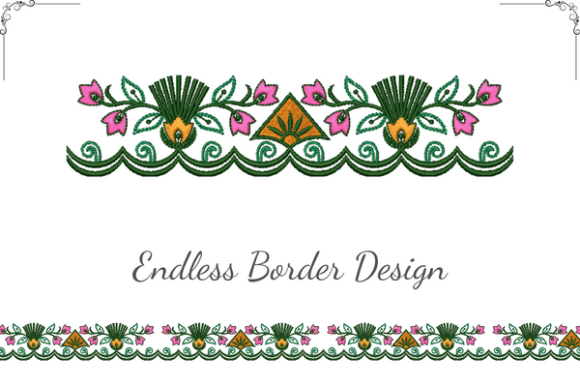
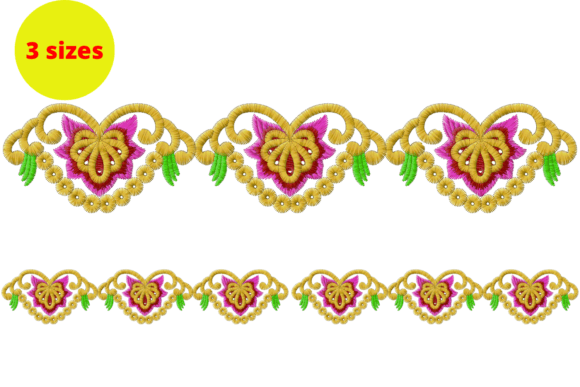
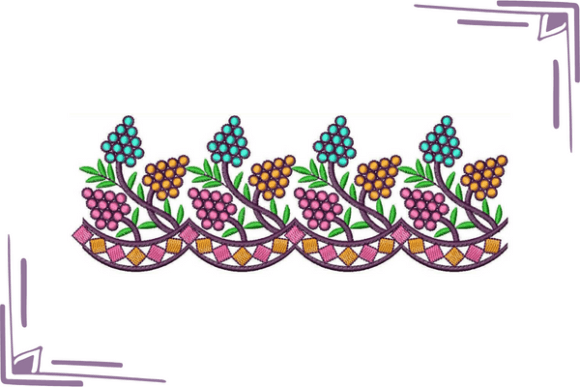
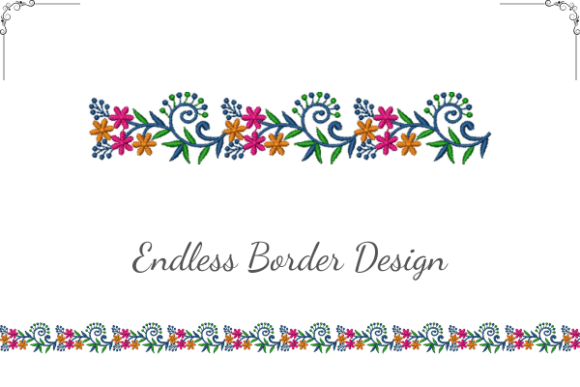
The title alone, Spring Flowers Border, sets a specific mood. It suggests something fresh, lively, and inherently decorative. Based on the description provided, this design is intended to add a "colorful look" to various items. In the world of handmade product judgment, versatility is king. Does it feel too delicate? Too bold? My initial assessment is that it strikes a perfect balance suitable for the current market trends favoring farmhouse aesthetics mixed with modern brightness. It feels like a design that invites touch and appreciation. Whether you are aiming for a soft, romantic vibe or a rustic, garden-party atmosphere, this border offers a strong foundation. It is not merely a line; it is a statement piece that can elevate a plain item into a premium gift.
Product Applications: Where It Shines at the Booth
Imagine setting up your booth display. You have a variety of items laid out: tote bags, aprons, tea towels, caps, patches, small pouches, pillow covers, and market bags. Where does the Spring Flowers Border stand out the most?
- Tote Bags and Market Bags: These are high-volume sellers at craft fairs. Placing the Spring Flowers Border along the bottom hem or across the top flap creates an instant focal point. It transforms a basic canvas bag into a seasonal accessory. The linear nature of a border works exceptionally well here, framing the bag without overwhelming the entire surface area.
- Kitchen Towels and Apron Embroidery: Nothing says "handmade quality" quite like a kitchen towel. This design is ideal for tea towel embroidery. Running the border along the edge adds a professional finish that looks expensive. Similarly, on an apron, placing it near the waistband or the pocket trim can turn a utilitarian garment into a stylish fashion piece. Customers love seeing these designs in action because they immediately visualize using the item in their own homes.
- Pillow Covers and Home Decor: For home decor, the design allows for a sophisticated accent. On a pillow cover, it provides structure and definition. It photographs beautifully for online listings, making it a prime candidate for digital embroidery file marketing.
- Caps and Patches: While borders can be tricky on curved surfaces, a well-executed floral border on a cap brim or as an embroidered patch can be very trendy. It appeals to younger demographics looking for unique accessories.
Visual Appeal and Customer Attention
In a crowded craft fair environment, you have seconds to grab attention. The Spring Flowers Border excels here because it offers a clear visual path for the eye. Unlike a scattered all-over pattern, a border guides the viewer's gaze across the product. This clarity is crucial for Etsy sellers creating printable mockups. When customers scroll through listings, a clean, defined border stands out against white backgrounds. It signals "finished product" rather than "unfinished project." The design enhances perceived value, allowing you to price your items higher than standard plain goods. It communicates care, detail, and brand consistency.
Practical Production and Selling Points
From a production standpoint, efficiency is key for small shop owners. Is this design easy to understand at a glance? Yes. Its structure as a border makes it highly repeatable for batch production. If you are making ten aprons for a holiday market, the workflow is streamlined. You can hoop, stitch, and move on quickly. Furthermore, it works well as a small accent or a large focal design depending on the fabric width. This flexibility means you can use the same embroidery file for different product sizes, maximizing your return on investment for the digital asset.
When photographing these items for your shop, the border provides excellent contrast opportunities. It catches light differently than flat fabric, adding texture and depth to your photos. This is essential for converting browsers into buyers. The design feels natural on both lightweight linens and heavier cottons, giving you a wide range of material choices.
Important Considerations for Commercial Success
While the design has high potential, every professional designer knows that execution determines success. There are specific areas where caution is required to ensure your craft fair product looks its best.
Dense Stitch Areas and Tiny Details: Always inspect the stitch density. If the flowers are too close together, they may merge during stitching, losing the delicate details that make the design attractive. This is particularly important if you plan to sell smaller items like patches or pouches where the design will be scaled down. At smaller sizes, tiny details can become muddy blobs. Ensure the design remains crisp at the size you intend to produce.
Fabric Texture and Stability: The description mentions working on "any fabric," but experience tells us otherwise. Thick fabrics like heavy denim or textured towels can cause issues with registration and stability. If the fabric is too thick, the needle might struggle, leading to puckering. Conversely, slippery silks require careful handling. You must test the design on scrap fabric first to see how the threads interact with the weave. Using the right stabilizer is non-negotiable for maintaining the integrity of the border.
Thread Contrast and Color: The description highlights a "colorful look," but the impact depends entirely on thread selection. On dark fabric, the colors need to be vibrant enough to pop. On light fabric, they should remain distinct. Always compare fabric colors before committing to a full run. Poor color choice can ruin even the best machine embroidery design.
Designer Notes for the Serious Maker
Before you start mass-producing items with the Spring Flowers Border, follow these steps to protect your reputation and your business.
- Test on Scrap Fabric: Never go straight to the final product. Run a test on a scrap piece of the exact fabric you plan to sell. Check for puckering, thread breaks, and alignment.
- Check Hoop Size: Verify the recommended hoop size for the design. If the border is wider than your hoop, you may encounter jump stitches or misalignment that ruins the aesthetic.
- Review Spacing: Ensure there is enough margin around the border so it doesn't get lost in seams or hems. Proper spacing makes the design look intentional and professional.
- Create Real Mockups: Don't rely solely on digital images. Create at least one real mockup to see how the texture looks in person. Lighting can alter the perception of thread colors significantly.
- Confirm Licensing: As a commercial entity, you must confirm the commercial licensing terms before selling finished products. Do not assume the license covers all uses. Check the specific terms regarding digital embroidery file resale and finished goods sales.
The Spring Flowers Border represents a solid opportunity for creative entrepreneurs. It combines the charm of seasonal florals with the practicality of a border layout. By understanding its strengths and respecting its limitations, you can create a standout collection that resonates with craft fair attendees and online shoppers alike. Whether you are selling small shop products or scaling up to larger orders, this design offers the visual punch needed to drive engagement and sales.