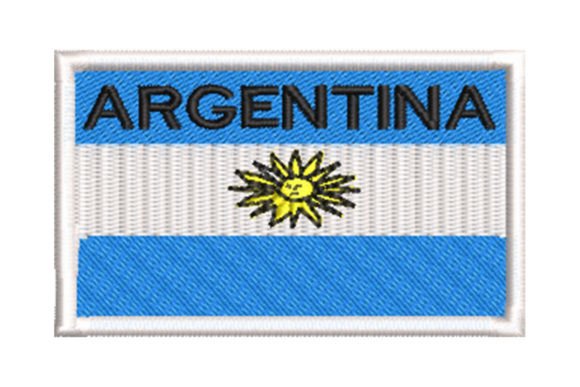
Flag of Argentina Design Review for Merch
As an experienced embroidery designer who has spent years refining designs for small business merchandise and branded patches, I approach every new file with a critical eye. When reviewing the Flag of Argentina design from the "Around The World" category, my first impression is one of classic patriotism meeting professional utility. This machine embroidery design feels bold and instantly recognizable, which is exactly what a small business needs when creating custom apparel or branded accessories. It strikes a balance between a friendly, handmade aesthetic and the clean lines required for commercial use.
The description highlights its versatility for personalizing clothes, accessories, home decor, and gifts. For a boutique owner or Etsy seller, this suggests that the design is robust enough to handle various applications without losing its integrity. However, turning a digital file into a finished product requires more than just pressing start on the machine. Below is a detailed breakdown of how this design performs in real-world business scenarios, where it shines, and where you must exercise caution.
Real-World Application for Small Business Merch
Imagine a local café or a creative studio looking to expand their brand identity. They want to create a cohesive look across their team and their product line. The Flag of Argentina design can serve as a powerful visual anchor in these contexts. It is not merely a decorative element; it is a statement of heritage or appreciation for Argentine culture that resonates deeply with customers.
For staff uniforms, placing this design on aprons creates an immediate sense of pride and authenticity. An embroidered patch featuring the flag can be sewn onto the chest of a work shirt or the back of a cap, signaling to customers that the business values quality and cultural connection. In the world of handmade brands, this design works exceptionally well as a sleeve detail on tote bags or as a subtle accent on product packaging. A florist might use it on a gift tag attached to a bouquet, while a pet brand could feature it on a durable dog collar or bandana.
The design also fits seamlessly into event merch. If a business is hosting a cultural festival, a charity run, or a community gathering, the Flag of Argentina serves as a unifying symbol. Customers are more likely to purchase and wear items that carry meaningful imagery, increasing the perceived value of the finished product. Whether used as a standalone logo or a complementary graphic alongside text, this embroidery file adds a layer of professionalism that elevates the entire brand presentation.
Patches, Caps, and Tote Bag Designs
One of the most popular uses for this design is in the creation of embroidered patches. These are essential assets for any small business looking to offer customizable options. A high-quality patch made from this design can be ironed or sewn onto denim jackets, beanies, and backpacks, expanding the reach of your merchandise beyond standard clothing. The design's strong lines translate well to patch formats, provided the stitch density is managed correctly.
When adapting this for cap embroidery, the curvature of the hat presents a unique challenge. The Flag of Argentina must be digitized with specific attention to how the stitches lay on a curved surface. A flat application often looks best on the front panel of a baseball cap or the side of a trucker hat. Similarly, for tote bag designs, the flag acts as a focal point on the canvas or cotton fabric. Because tote bags are frequently washed and carried daily, the durability of the stitching becomes paramount.
In the context of digital embroidery files, having a versatile asset like this allows designers to create mockups quickly. You can place the design on printable mockups of hoodies, aprons, and hats to show clients exactly how the final product will look before a single stitch is made. This step is crucial for maintaining visual consistency across different product lines.
Strategic Considerations and Potential Pitfalls
While the Flag of Argentina is a strong candidate for many projects, there are specific areas where caution is required. Not every design fits every surface perfectly. One of the primary concerns is size. If you attempt to embroider this design at a very small patch size, such as a 2-inch square, the details may become lost. High stitch density in small areas can lead to puckering, especially on thin fabrics, making the flag look distorted rather than crisp.
Curved surfaces like cap fronts require careful testing. If the design includes intricate outlines or tiny lettering (if present), these elements can blur when stitched on a tight curve. Textured fabrics, such as heavy wool or nubby knits, can also hide the fine details of the embroidery. Furthermore, dark uniforms pose a challenge regarding thread color contrast. If the background fabric is black or navy, the lighter threads of the flag might not pop unless a high-density underlay is used or the thread colors are adjusted for maximum visibility.
Frequent washing is another factor to consider. Items that undergo heavy laundering, such as kitchen aprons or work shirts, need to be stabilized properly to prevent the design from shifting or fraying over time. If the design is too dense, it can make the fabric stiff and uncomfortable, reducing the likelihood that customers will actually wear or use the item. Always inspect the spacing of the stitches to ensure they do not crowd each other, which can cause the fabric to pucker.
Impact on Brand Identity and Customer Trust
The quality of your embroidery directly influences customer trust and recognition. A sloppy or poorly executed design can undermine the professionalism of even the best small business. Conversely, a sharp, well-executed Flag of Argentina design signals that you care about the details of your craft. It enhances the perceived value of your products, allowing you to command higher prices for your handmade goods.
Visual consistency is key to building a memorable brand. When the flag appears on a tote bag, a cap, and an apron, it should look cohesive. This repetition reinforces the brand identity and helps customers associate the imagery with your specific business. A well-designed embroidery project fosters buyer engagement because people love to support businesses that demonstrate skill and attention to detail. It transforms a simple piece of fabric into a cherished accessory.
Practical Designer Notes for Production
Before committing to a large production run, I strongly advise following a rigorous testing protocol. First, test the design in black and white. This removes the distraction of color and allows you to focus purely on the stitch structure, density, and layout. Check if the design remains legible and balanced when viewed monochromatically.
Next, review the thread colors carefully. Ensure that the chosen palette offers sufficient contrast against the intended fabric. Inspect the spacing between elements to confirm that the hoop size accommodates the design without cutting off edges. Use proper stabilizer for the specific fabric texture you are working with; this is the backbone of a successful embroidery project. Without adequate support, even the best design file will fail.
Create a mockup for client approval before sewing the final pieces. This gives stakeholders a chance to visualize the end result and catch any potential issues early. Compare the Flag of Argentina design beside other design assets in your collection to ensure it aligns with your overall style guide. Finally, confirm the commercial licensing terms. Since this is a digital embroidery file intended for business use, you must verify that you have the right to sell products featuring this design.
If the product description does not explicitly state the exact stitch count, file format, or recommended hoop size, you must check those details with the provider or perform your own measurements. Do not guess. Taking the time to validate these technical specifications ensures that your finished product meets the high standards expected by today's discerning consumers. By treating the Flag of Argentina with the respect it deserves, you can create merchandise that stands out in a crowded market.