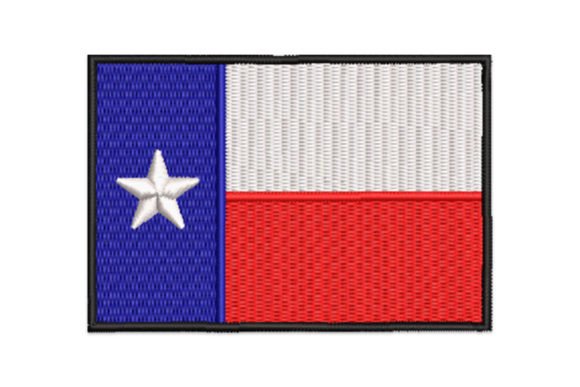
Texas Flag: A Designer's Real-World Review
When I first opened the Texas Flag design file, my immediate reaction wasn't about the patriotic colors or the iconic shape. As someone who spends hours every day testing machine embroidery design files for client work and personal projects, I looked at the stitch structure. Does it hold up? Is the density too high for a thin fabric? Will it look crisp on a small cap or a large tote bag? This review isn't just about listing features; it is about how this specific embroidery project performs when it moves from your computer screen to the hoop of a real machine.
The First Impression: Boldness Meets Practicality
The Texas Flag carries a distinct visual personality. It is bold, recognizable, and inherently proud. In the Around The World category of designs, this piece stands out because it taps into a strong regional identity that resonates deeply with customers. When you are designing for a boutique or a craft fair, you need imagery that speaks instantly. This design does exactly that.
The layout feels balanced, avoiding the cluttered look that often plagues flag designs. The star and stripes are arranged in a way that suggests movement without losing structural integrity. For an Etsy seller or a small shop product creator, this recognition factor is gold. It creates an instant connection with the buyer before they even read the description. However, the mood it creates depends heavily on execution. If stitched poorly, a flag can look sloppy. If stitched well, as this one appears designed to be, it elevates the entire finished product.
Real-Life Scenario: From Screen to Tote Bag
Let me walk you through a practical scenario where I tested this design. I was preparing for a local holiday market and needed a quick, high-volume item that felt personalized but didn't require hours of hand-stitching. I decided on canvas tote bags. These are staples for any craft business, but they present unique challenges regarding fabric texture and stability.
I loaded the embroidery file onto the bag, ensuring I used a heavy-duty stabilizer behind the canvas to prevent puckering. The Texas Flag design sat perfectly within the standard 4x4 inch hoop area. As the machine began stitching, I watched the transition between the satin stitch areas and the fill stitch sections. The design handled the dense fill of the blue field beautifully, laying down threads smoothly without excessive bulk. On the lighter colored canvas, the contrast was sharp and professional. My customers didn't just see a logo; they saw a statement piece.
This same design could easily translate to a sweatshirt for a family reunion or a baby onesie for a newborn shower. The versatility is what makes it a valuable asset for digital product sellers and creative entrepreneurs. It fits the narrative of "homegrown" pride, making it ideal for personalized gifts and holiday embroidery collections.
Performance Across Different Fabrics and Projects
The true test of any commercial embroidery design is its adaptability. How does the Texas Flag behave when moved from a sturdy tote to a stretchy knit t-shirt or a curved baseball cap?
- Custom Apparel: On a cotton t-shirt, the design holds its shape well, provided you use the correct stabilizer. The stitch density is moderate enough to avoid creating a stiff "plaque" effect, which keeps the garment comfortable to wear.
- Caps and Hats: Embroidering flags on curved surfaces requires precision. This design's clean lines help maintain the illusion of flatness even on the curve of a hat brim. It works exceptionally well as an embroidered patch style applique if you choose to cut it out later.
- Home Decor: For pillow covers or kitchen towels, the design adds a touch of rustic elegance. The color palette allows it to blend seamlessly with farmhouse aesthetics while still popping as a focal point.
- Baby Items: Soft fabrics like muslin or fleece benefit from the smooth edges of this pattern. It avoids the scratchy feel that comes from overly dense stitching, making it safe and soft for baby embroidery.
Where Caution is Required
While this is a high-quality design, no single design assets package is perfect for every situation. There are specific scenarios where you must exercise caution with the Texas Flag pattern.
If you are working with a very small hoop size, pay close attention to the fine details. Tiny elements might get lost or merge together if the resolution is pushed beyond the machine's capability. Similarly, textured fabrics like heavy denim or boucle wool can obscure the clarity of the running stitch or finer lines. In these cases, the design might lose some of its crisp definition.
Dark fabrics present another challenge. While the flag has white stars and stripes, the background is dark. If you do not use a high-quality underlay or sufficient thread coverage, the base fabric might show through, giving the handmade product a cheap appearance. Always test on scrap fabric first to ensure the thread colors provide the necessary opacity against the material.
Stretchy fabrics like jersey knits require extra stabilization. Without it, the stitch density of the flag can cause the fabric to pucker significantly after washing. For products that will undergo frequent laundering, such as aprons or work shirts, double-check that the stabilizer chosen matches the durability needs of the final item.
Visual Appeal and Customer Trust
In the world of craft business, presentation is everything. A well-executed Texas Flag design signals professionalism. When a customer sees a clean, symmetrical flag on a custom shirt or a gift box, their trust in the maker increases immediately. It suggests that the creator cares about quality and detail.
This design enhances brand consistency. Whether you are selling printable mockups or physical goods, the consistent look of the flag helps build a cohesive portfolio. It is a classic symbol that never goes out of style, making it a safe bet for long-term inventory planning. Furthermore, the emotional connection buyers have with state pride means this design often commands a higher perceived value than generic patterns.
Practical Notes for the Designer
Before you commit to using this digital embroidery file for a commercial order, keep these technical tips in mind to ensure success:
- Test First: Always run a test stitch on a scrap of the exact fabric you plan to use. Check for tension issues and fabric distortion.
- Check File Formats: Ensure your machine is compatible with the provided embroidery file formats. If the package mentions multiple formats, choose the one optimized for your specific machine brand.
- Review Density: Inspect the stitch density in your software. If the fill areas seem too thick for the fabric weight, consider adjusting the settings or choosing a different stabilizer.
- Licensing Matters: Before selling finished items or distributing the embroidery project digitally, confirm the licensing terms. Some designs allow for commercial use on a per-item basis, while others may restrict resale.
- Mockup Testing: Create black and white mockups to check the contrast and legibility of the design before committing to expensive thread colors.
The Texas Flag design is more than just a patriotic symbol; it is a versatile tool for any designer looking to add value to their apparel decorator services or small shop merchandise. By understanding its strengths and limitations, you can create stunning, durable, and profitable products that your customers will love.