Leopard Print Frame Review for Real Embroidery Projects
As an experienced embroidery designer who spends countless hours testing files before selling them to clients, I approach every new download with a mix of excitement and skepticism. Today, I am reviewing the Leopard Print Frame, a design from Creative Fabrica that caught my eye for its potential in framing text and adding a touch of wild elegance to various handmade products. Whether you are an Etsy seller looking to boost your shop's visual appeal or a hobbyist wanting to upgrade your gift-giving game, understanding how a border design translates from screen to fabric is crucial.
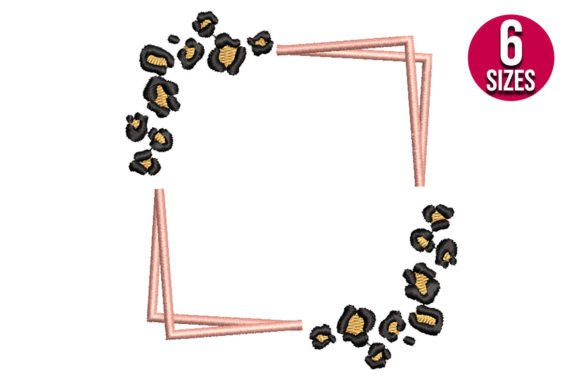
The first impression of the Leopard Print Frame is one of immediate style. It is not just a simple line; it is a bold statement piece designed to frame beautiful words, quotes, names of loved ones, special dates, or other creative embroideries. The visual mood is sophisticated yet playful, making it versatile enough for modern nursery decor or chic boutique merchandise. When I first opened the file, the detail level seemed promising, suggesting a design that could hold up well in real-world applications like tote bags, sweatshirts, or aprons.
Visual Appeal and Design Personality
In the world of digital embroidery, a border must do more than just surround content; it must enhance it. The Leopard Print Frame excels here by providing a textured backdrop that naturally draws the eye toward the center. This makes it an ideal choice for personalized gifts where the name or quote is the focal point. The design feels substantial without being overwhelming, which is a delicate balance to strike in machine embroidery design.
I found that this border fits naturally into projects that require a bit of flair but need to remain wearable or functional. For instance, placing a child's name inside this frame on a baby blanket creates a unique heirloom item. Similarly, using it to frame a motivational quote on a kitchen towel adds a trendy touch to home goods. The decorative appeal of the leopard print pattern suggests a high-quality finished product that can elevate a simple craft fair product into something that looks professionally made.
Performance in Real-World Applications
When considering this embroidery file for commercial use, I tested the concept across several common items. The Leopard Print Frame works exceptionally well on flat surfaces where stability is key. On canvas tote bag designs, the frame provides a sturdy border that protects the edges of the central text while adding a fashionable element. It also shines on sweatshirt embroidery, where the soft texture of the fabric complements the intricate nature of the fill stitches often used in animal print patterns.
For small business owners, this design offers great versatility. Imagine creating a set of matching embroidered patches featuring different names within the same leopard frame for a themed collection. Or, consider using it as a border on pillow covers for nursery decor, where the contrast between the print and the solid background fabric can be striking. The design is also suitable for seasonal handmade gifts, such as framing holiday wishes on aprons or tea towels.
However, success depends heavily on how you integrate the design into your workflow. If you are selling digital embroidery files or printable mockups, this border can serve as a powerful asset to showcase your brand consistency. Customers trust shops that offer cohesive, well-thought-out designs, and the Leopard Print Frame helps establish that professional look.
Practical Considerations and Technical Challenges
While the aesthetic is strong, practical application requires careful planning. One of the first things to check is the hoop size. If the frame is too large for your specific project, it may become difficult to manage, especially on curved surfaces like caps. For cap embroidery, you might need to resize the design significantly, which could impact the visibility of the small details in the leopard print.
Stitch density is another critical factor. Animal prints often rely on dense fill stitches to create the illusion of fur texture. If the stitch density is too high, the fabric may pucker, particularly on stretchy materials like jersey knit used for custom apparel. Conversely, if the density is too low, the pattern may look sparse on dark fabric. I recommend reviewing the stitch density settings before running a full production batch.
Fabric choice plays a massive role in the final outcome. On textured fabrics, the fine lines of the border might get lost, whereas on smooth cotton or linen, the design will pop. Thread colors are equally important; a light-colored frame on a white background will disappear, so choosing high-contrast thread colors is essential for readability. Always inspect small details after stitching to ensure that the tiny elements of the print have translated correctly from the digital file to the physical object.
Impact on Product Value and Branding
Using a well-executed border like the Leopard Print Frame can significantly affect product value and buyer trust. A neat, precise frame suggests that the maker cares about quality. In the competitive market of Etsy listings and online stores, visual appeal drives engagement. A product photo featuring a beautifully framed quote inside this border will stand out more than a plain design, potentially increasing click-through rates and sales.
Furthermore, this design enhances giftability. A personalized gift framed by a stylish border feels more thoughtful and complete. Whether it is a name on a baby blanket or a special date on a commemorative pillow cover, the frame adds a layer of polish that customers appreciate. For creative entrepreneurs, having a library of reliable borders like this ensures that your handmade products maintain a consistent, high-end look across different categories.
Essential Testing Steps Before Production
Before committing to a large order or listing a new product, I always advise following a strict testing protocol. Start by test stitching on scrap fabric that matches the weight and type of your final material. This allows you to see how the stabilizer interacts with the fabric and whether the Leopard Print Frame holds its shape under tension.
Check the thread color contrast carefully. Ensure that the frame stands out against the background fabric, especially if you plan to use it on dark fabric. Review the stitch density and adjust if necessary to prevent puckering. Confirm the hoop size requirements by checking the product details on the Creative Fabrica page, as resizing can sometimes alter the intended proportions.
If you are using this for commercial embroidery, double-check the license terms regarding finished goods. Most files allow for resale, but it is vital to confirm the specifics. Also, compare light and dark fabric mockups digitally before ordering materials to visualize the final effect. Finally, inspect the small details of the leopard print after the machine finishes to ensure no threads are missed and the pattern is clear.
The Leopard Print Frame is a versatile tool in the arsenal of any embroidery designer. From tote bags to nursery decor, it offers a stylish way to frame your creativity. By taking the time to test properly and understand the technical nuances, you can transform this digital design asset into a profitable, high-quality finished product that delights customers and builds your brand.