Ornamental Floral Corner: A Designer's Real-World Review
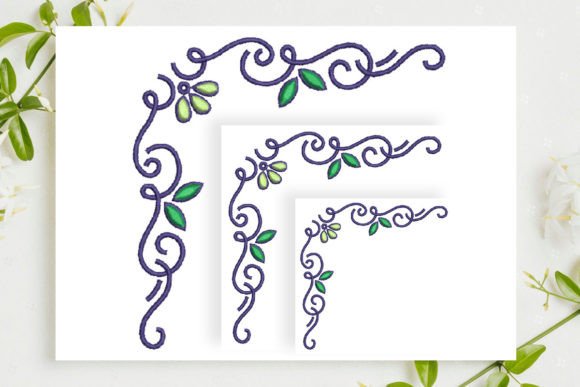
When I first opened the file for Ornamental Floral Corner, my immediate reaction was one of quiet appreciation. In a market flooded with generic motifs and oversized centerpieces, this piece stands out because it understands its role. It is not trying to be the main event; rather, it is designed to frame the narrative of a project. As an experienced designer who has spent years testing embroidery files on everything from delicate baby onesies to heavy-duty canvas tote bags, I look for designs that offer versatility without sacrificing elegance. This design fits that criteria perfectly.
The mood created by this embroidery file is distinctly sophisticated yet approachable. The intricate pattern flows gracefully, suggesting a sense of tradition and care. When you stitch this onto a surface, it doesn't just sit there; it guides the eye toward the corner where it is placed. For those of us running a craft business or selling on platforms like Etsy, this kind of subtle branding tool is invaluable. It elevates a simple handmade product into something that feels curated and intentional.
Putting It to the Test: A Real-Life Scenario
Last month, I was preparing a custom order for a boutique client who wanted personalized kitchen linens for a wedding gift. The brief was specific: they needed a touch of class on tea towels but didn't want the design to overpower the monogrammed names in the center. My mind immediately went to Ornamental Floral Corner. The logic was simple—why clutter the middle when a graceful border could do the heavy lifting?
I selected a high-quality white cotton damask fabric and tested the design on a scrap piece first. The result was striking. The satin stitch work along the floral edges provided a smooth, lustrous finish that caught the light beautifully, while the fill stitch areas added just enough texture to make the flowers feel three-dimensional. When stitched into the bottom right corner of the towel, it framed the name elegantly without competing for attention. The finished product looked like it belonged in a high-end department store, not a local craft fair.
This scenario highlights exactly where Ornamental Floral Corner shines. It transforms a standard item into a premium gift. Imagine applying this same logic to a sweatshirt, placing the design subtly on the hem or sleeve cuff, or using it to decorate the corners of a nursery pillow cover. The versatility here is what makes it a strong asset for any commercial embroidery operation.
Performance Across Different Fabrics and Products
While the design performed flawlessly on the flat cotton of the tea towel, not every application is guaranteed to be as smooth. The success of an embroidery project often depends on how well the design interacts with the substrate. For custom apparel like t-shirts and sweatshirts, this design works exceptionally well on stable fabrics like jersey or fleece. However, if you are working with stretchy materials, you must be mindful of the stitch density. Too much tension on a stretchy fabric can cause puckering, which ruins the clean lines of the floral pattern.
For tote bag design applications, the durability factor comes into play. Canvas is a forgiving fabric, but the thickness can sometimes challenge smaller details. If your machine struggles to penetrate thick layers, the running stitch elements might become less distinct. I recommend using a heavy-duty stabilizer behind the canvas to ensure the design holds its shape after multiple washes. This is crucial for Etsy sellers and small shop owners who need their merchandise to withstand the rigors of daily use and maintain customer trust.
The design also lends itself well to embroidered patch creation, particularly for brands looking to add a signature element to caps or hats. However, curved surfaces present a unique challenge. While the floral motif is flexible, stitching a corner design onto a rounded cap crown requires precise hoop placement. If the angle is off, the symmetry of the border can look distorted. In these cases, testing on a mockup before committing to the final garment is non-negotiable.
Where Caution Is Required
There are specific scenarios where Ornamental Floral Corner might not be the best choice. If you are working with very small hoop sizes, the intricate details of the floral pattern may get lost. Tiny lettering adjacent to such a detailed border can also create visual clutter, making the design hard to read. Additionally, on dark fabrics, the contrast might be insufficient unless you select thread colors carefully. Always check your thread palette against the background color to ensure the gracefulness of the pattern remains visible.
Textured fabrics, such as bouclé or heavily woven wool, can obscure the finer points of the design. The needle might struggle to push through the loops, leading to skipped stitches or uneven density. Similarly, if you plan to sell these items as part of a line that requires frequent washing, you must verify that the stitch density is appropriate. Designs that are too dense can become stiff and uncomfortable, while those that are too loose may fray over time. For baby embroidery, comfort is paramount, so a lighter touch with the stabilizer and a softer stitch type is often preferred.
Visual Appeal and Brand Consistency
In the world of digital product sellers and creative entrepreneurs, the presentation of your work is just as important as the stitching itself. Ornamental Floral Corner adds a layer of professionalism that signals quality to potential buyers. When customers see a consistent, elegant design applied to various products—from aprons to holiday gifts—they begin to recognize your brand identity. This consistency builds recognition and fosters buyer engagement.
The design enhances the perceived value of a finished product. A plain tote bag becomes a statement piece when adorned with a refined floral corner. This psychological boost allows creators to price their items higher, reflecting the added effort and aesthetic appeal. Furthermore, the design is highly adaptable for printable mockups, allowing you to showcase your products in digital listings before you even cut the thread. This saves time and material costs during the marketing phase.
Practical Designer Notes for Success
Before integrating Ornamental Floral Corner into your production workflow, there are several technical steps you should take to ensure perfection. First and foremost, always test the design on scrap fabric that matches your intended final material. This helps you gauge how the stitch density interacts with the weave of the cloth.
Review the thread colors available in the file and consider how they will translate to your specific palette. Sometimes, a color that looks vibrant on screen appears dull in person. Inspect the small details of the design under good lighting to ensure no tiny elements are at risk of being missed by the machine. If you are unsure about the file specifications, such as exact stitch counts or compatible formats, check the product documentation thoroughly before purchasing.
Don't forget to confirm your licensing terms. Whether you are creating personalized gifts for friends or producing items for a craft business, understanding whether you have the rights to sell finished goods is critical. Using a design without the proper license can lead to legal issues down the road. Finally, ensure you are using the correct stabilizer for your fabric type. Proper support is the backbone of any successful machine embroidery design.
By approaching Ornamental Floral Corner with a strategic mindset, you can unlock its full potential. It is more than just a decorative border; it is a tool for elevating your craft, enhancing your brand, and delighting your customers. Whether you are a hobbyist looking to spice up a weekend project or a seasoned professional expanding your product line, this design offers a reliable path to elegance and refinement.