Mylar FSL 3-D Flowers Review for Business
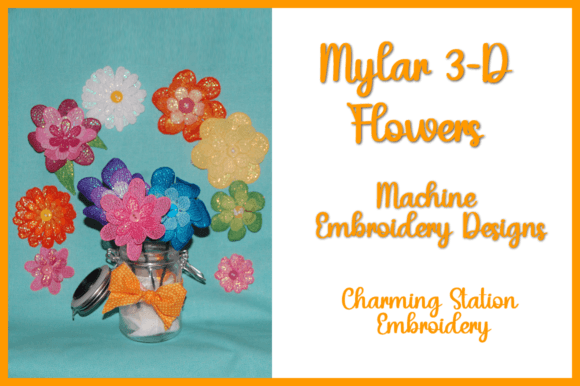
As an experienced embroidery designer who has spent years refining digital files for commercial use, I approach every new design asset with a critical eye toward production viability and brand impact. Today, I am reviewing the Mylar FSL 3-D Flowers, a product designed to let creators build their own custom floral accents. The description highlights that this is a "make your own Mylar flowers" set featuring three base types of flowers with multiple sizes for each shape. This flexibility suggests a high degree of customization, allowing users to choose which sizes to make and how they want to put them together. For small business owners, Etsy sellers, and apparel decorators, the question is not just about aesthetics, but whether this embroidery file can withstand the rigors of daily wear and elevate a brand's visual identity.
First Impressions: A Blend of Handmade Charm and Modern Texture
The moment you look at the title Mylar FSL 3-D Flowers, it signals a departure from traditional flat embroidery. The inclusion of "Mylar" immediately suggests a premium, tactile finish that catches the light differently than standard thread. In the context of Single Flowers within the broader category of Embroidery, this design feels bold, playful, yet undeniably professional. It strikes a balance between a rustic, handmade aesthetic and a modern, polished look that fits well in creative studios, boutiques, and florist shops.
The ability to mix and match sizes means the final result can range from delicate accents on a tote bag to statement pieces on a staff uniform. However, the term "Free Standing Lace" (FSL) implies a specific construction technique where the design stands away from the fabric. This adds depth and dimension, making it an excellent candidate for branded patches or high-value merchandise where customers expect a tangible quality upgrade.
Real-World Applications for Small Business Merchandise
When evaluating Mylar FSL 3-D Flowers for actual business deployment, the versatility is striking. Imagine a local café or bakery looking to differentiate their apron line. A standard embroidered logo might feel generic, but adding a 3-D flower accent created from these files introduces a sense of artistry and care. The metallic sheen of the Mylar material would catch the eye under warm lighting, drawing attention to the brand name without being overwhelming.
For pet brands or craft businesses, these flowers serve as perfect branding assets. They can be used as chest logo accents on work shirts, sleeve details on denim jackets, or even as standalone embroidered patch elements attached to tote bags. The modular nature of the design—where you choose sizes and assembly methods—allows for consistent visual language across different products. Whether you are creating event merch for a festival or customer gifts for a boutique opening, the Mylar FSL 3-D Flowers provide a unique texture that elevates the perceived value of the finished product.
This design also shines in the realm of custom apparel. For a florist or a wedding planner, having a design that mimics real petals with a shimmering finish creates an immediate emotional connection with the client. It transforms a simple piece of clothing into a wearable piece of art. When used on caps or hats, the 3-D effect ensures the logo remains visible and distinct, even when the hat is worn at an angle.
Strategic Considerations and Usage Limitations
While the potential is high, a professional designer must exercise caution with certain applications. The very features that make Mylar FSL 3-D Flowers attractive—their dimension and material—can pose challenges on specific items. On small patch sizes, the intricate details required to create the 3-D effect might get lost or become too fragile if the scale is reduced too much. Similarly, placing these designs on cap fronts requires careful consideration of the curved surface; the stiffness of the Mylar element might not lay flat against the curve, leading to discomfort or premature wear.
Fabric texture plays a significant role here. Highly textured fabrics like heavy canvas or bouclé can interfere with the stabilizer needed for FSL designs, potentially causing puckering or uneven stitching. Dark uniforms present another hurdle; while the Mylar reflects light, the contrast of the thread colors used in the base of the flower must be carefully selected to ensure the design pops against the dark background. Furthermore, items that require frequent washing, such as chef aprons or service uniforms, need to be tested thoroughly. The durability of the Mylar element over dozens of wash cycles is a factor that must be verified before mass production.
Impact on Brand Identity and Customer Trust
In the competitive landscape of small business merch, visual consistency is key. Using a design like Mylar FSL 3-D Flowers signals to customers that the brand values quality and attention to detail. It moves the brand perception away from "mass-produced" toward "handcrafted with care." This distinction builds trust and engagement, as customers often associate unique textures and materials with higher product value.
When a customer receives a tote bag or a cap featuring these flowers, the tactile experience reinforces the brand story. It becomes a conversation starter, increasing the likelihood of social sharing and organic marketing. For digital embroidery file buyers, integrating these design assets into their workflow allows them to offer premium services that competitors using standard thread-only files cannot match. Ultimately, the decision to use this design affects not just the look of the item, but the overall narrative of the brand.
Practical Notes for the Embroidery Designer
Before committing to a full production run, there are several technical steps any professional should take. First, always test the design in black and white to evaluate the stitch density and spacing without the distraction of color. Check if the design holds its structural integrity at the smallest intended patch size. Review thread color contrast meticulously; the combination of the Mylar material and the chosen threads must create a cohesive look rather than a jarring one.
Confirm the hoop size requirements early, as FSL designs often need larger hoops to accommodate the floating nature of the lace. Inspect the spacing between the flower elements to ensure they do not touch during the stitching process, which could cause thread breaks. Test on real fabric samples rather than relying solely on digital mockups. Use proper stabilizer—often a cut-away or heavy tear-away is necessary for FSL to support the weight of the Mylar and the tension of the stitches.
Create a printable mockup for client approval to visualize the final product before cutting fabric. Compare the Mylar FSL 3-D Flowers beside other design assets in your library to ensure it aligns with the rest of the collection. Finally, confirm commercial licensing terms. While the description mentions the freedom to assemble the flowers, the rights to use the resulting images for resale must be clearly defined. If exact stitch counts, file formats, or specific license terms are not provided in the initial download, advise clients to contact the provider for clarification to avoid legal or production issues.
By following these guidelines, you can transform the raw potential of the Mylar FSL 3-D Flowers into a powerful tool for small business growth. Whether you are decorating a single custom hat or launching a full line of branded merchandise, this design offers a sophisticated way to bring your brand identity to life through the art of machine embroidery.