Mylar Sweet Seahorses Review for Small Business
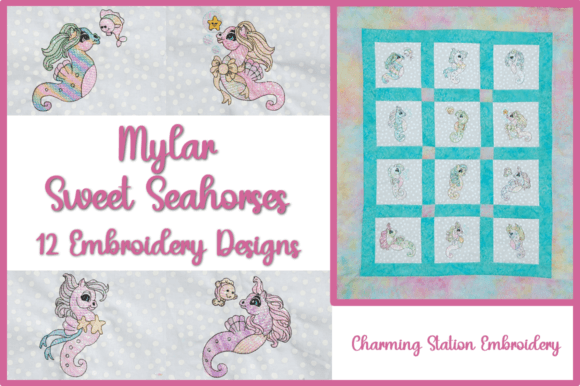
As an experienced embroidery designer who has spent years refining digital files for commercial applications, I recently had the opportunity to review a design set titled Mylar Sweet Seahorses. In the world of small business merchandising and branded patch creation, finding designs that balance whimsy with professional execution is often a challenge. This collection claims to include 12 whimsical little seahorse designs optimized for use with Mylar, intended for everything from quilt accents to individual branding marks. After analyzing the visual potential and practical application of this embroidery file, I have compiled a comprehensive review focused on how these assets perform when integrated into real-world commercial projects.
First Impressions: A Playful Yet Professional Vibe
The immediate feeling when viewing Mylar Sweet Seahorses is one of approachable charm. The title suggests a blend of modern materials (Mylar) with classic marine life, creating a unique aesthetic that feels both contemporary and nostalgic. For a small business owner looking to elevate their brand identity, this design offers a distinct personality. It does not feel overly corporate or rigid; instead, it leans heavily into the "handmade product" sector while maintaining enough structure to be used in commercial embroidery.
The description notes that the set includes 12 designs, which is a significant value proposition. Whether you are running a boutique, a creative studio, or a local bakery, having a variety of related motifs allows for cohesive branding across different touchpoints. The whimsical nature of the seahorses makes them ideal for brands that want to convey friendliness, creativity, and attention to detail. However, for businesses seeking a more serious or minimalist look, the playful tone might require careful pairing with other design elements to maintain visual consistency.
Real-World Application: From Patches to Product Labels
The true test of any machine embroidery design lies in its versatility across various merchandise types. Based on the characteristics of Mylar Sweet Seahorses, here is how I envision this design performing in specific business scenarios:
- Embroidered Patches: The mention of optimization for Mylar suggests these designs are excellent candidates for iron-on or sew-on patches. A small café could use a single seahorse as a chest logo accent, while a pet brand might use the full set to create a series of limited-edition patches for loyal customers.
- Staff Uniforms and Aprons: For a florist or a handmade shop, these designs would work beautifully on apron embroidery. The 12 variations allow for a subtle nod to the brand without overwhelming the garment. They serve as charming details on work shirts that employees can wear with pride.
- Caps and Tote Bags: Cap embroidery often requires compact designs. If the stitch density is managed well, these seahorses could serve as perfect sleeve details or cap front logos. Similarly, for tote bag design, the set offers flexibility to create repeating patterns or singular focal points that enhance the customer's unboxing experience.
- Product Packaging Accents: Beyond apparel, these designs can be stitched onto product packaging labels or tags. Adding a custom embroidered tag featuring a seahorse adds a tangible layer of quality that elevates the perceived value of the finished product.
Strategic Considerations and Potential Pitfalls
While the design shows promise, an experienced eye must identify where caution is required. Not every surface is suitable for every design. When applying Mylar Sweet Seahorses, there are several factors that could impact the final result:
- Small Patch Sizes: If you intend to use these designs on very small patches, intricate details might get lost. It is crucial to check if the outlines remain crisp at reduced scales.
- Curved Surfaces: Embroidering on cap fronts or curved items presents challenges. The design must be digitized to accommodate the curvature, or it may appear distorted.
- High Stitch Density: If the design features detailed outlines or heavy fill stitches, it may become too stiff for delicate fabrics like lightweight tees or fine linens.
- Fabric Texture and Color: Dark uniforms can sometimes swallow up lighter thread colors. You must ensure there is sufficient contrast between the thread colors and the base fabric to maintain visibility.
- Wash Durability: For items that need frequent washing, such as staff uniforms or kitchen aprons, the stability of the design is paramount. Ensure the underlay and satin stitches are robust enough to withstand industrial laundering.
Impact on Brand Identity and Customer Trust
In the competitive landscape of Etsy sellers and merch creators, visual consistency is key to building trust. Using a high-quality digital embroidery file like Mylar Sweet Seahorses signals professionalism. When a customer sees a clean, well-executed embroidered patch on a tote bag or a neatly stitched logo on an apron, it reinforces the idea that the business cares about quality.
The whimsical nature of the seahorses can also drive buyer engagement. Customers often connect emotionally with cute, unique imagery. By integrating these designs into your custom apparel or brand identity, you create a memorable visual language that sets your business apart from generic competitors. However, remember that the design must align with your overall brand voice. If your brand is strictly industrial or ultra-minimalist, this playful design might feel out of place unless carefully balanced.
Essential Designer Notes for Production
Before committing to a large production run, I strongly advise following these practical steps to ensure success:
- Test in Black and White: Convert the design to black and white first to check the balance of negative space and stitch coverage. This helps visualize how the design will hold up without relying on color.
- Verify Hoop Size: Confirm the recommended hoop size for each of the 12 designs. Some may be too large for standard caps or small patches.
- Check Thread Contrast: Review the thread colors against your intended fabric. High contrast is essential for legibility, especially on textured fabrics.
- Inspect Spacing: Ensure there is adequate spacing between elements to prevent thread breaks and puckering.
- Stabilizer Selection: Use the proper stabilizer for your fabric type. Heavy-duty stabilizers may be needed for stretchy knits, while tear-away might suffice for wovens.
- Create a Mockup: Before sewing, create a printable mockup for client approval. This allows stakeholders to visualize the design on the actual product before cutting fabric.
- Commercial Licensing: Most importantly, confirm the commercial licensing terms. Ensure you have the right to use these design assets for selling merchandise, as some licenses restrict commercial resale.
Ultimately, Mylar Sweet Seahorses represents a versatile tool for small business owners looking to add a touch of personality to their offerings. With the right preparation and understanding of the technical limitations, this set can transform simple products into premium branded experiences. Whether you are creating a line of embroidered patches, decorating a fleet of delivery bags, or adding a signature touch to your handmade goods, this design offers a solid foundation for your next project.
Always remember to test thoroughly on real fabric samples. The difference between a good design and a great finished product often comes down to the execution details—stitch density, stabilizer choice, and thread selection. By treating this embroidery file with the same care as a physical product, you ensure that your brand delivers on its promise of quality and charm.