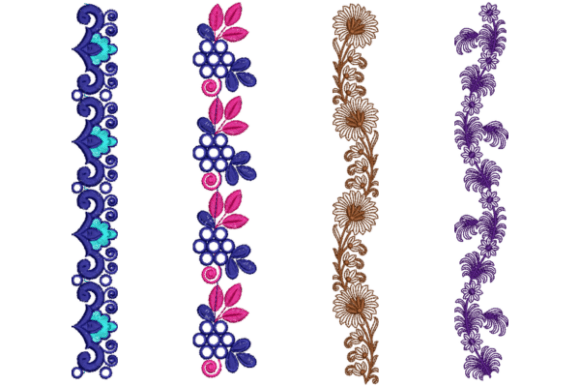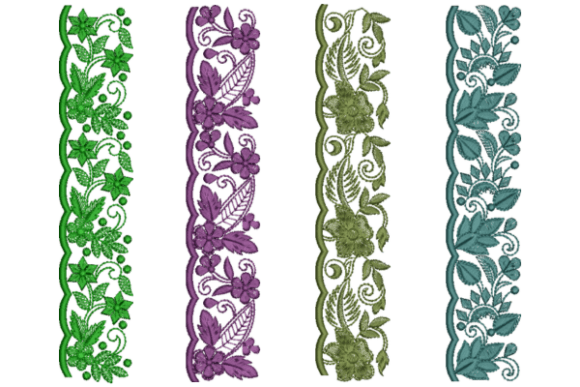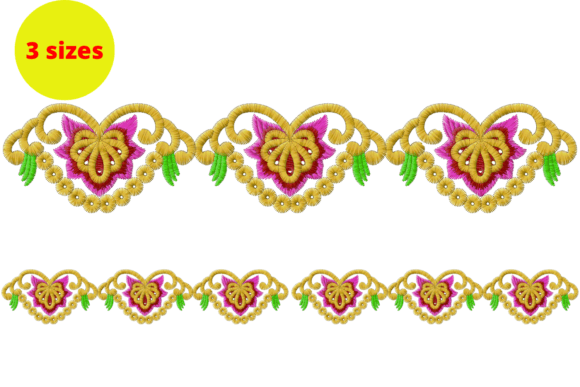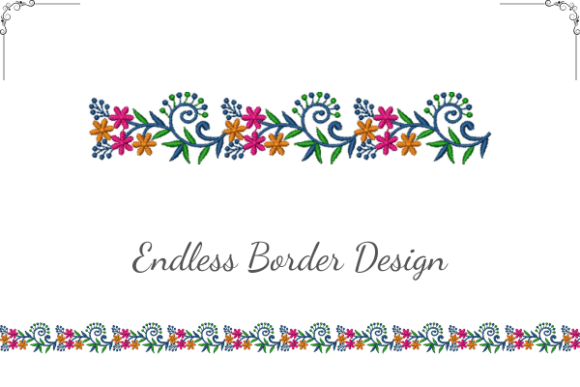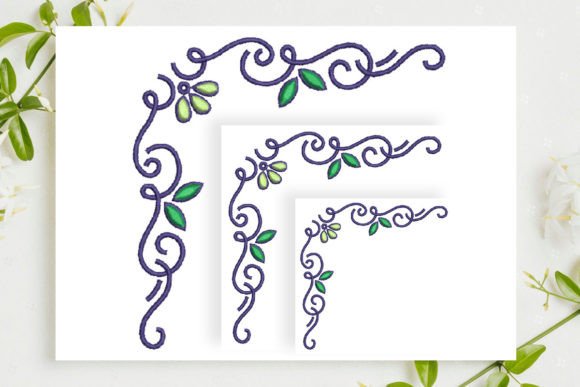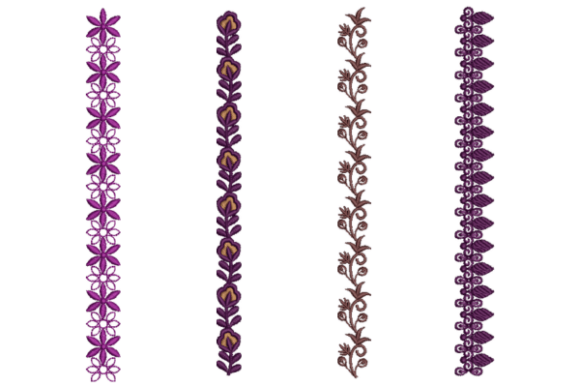
Dainty Borders Review for Boutique Sweatshirts
As an experienced embroidery designer, I am constantly evaluating new assets before committing them to a production run. Recently, I came across the Dainty Borders collection while scouting for design elements for a limited drop of premium sweatshirts for my own small boutique brand. The product description promises that these wonderful designs can be beautifully embroidered on any fabric you like to work with, adding a colorful look to apparel or home decor. While the description is brief, my initial assessment focuses on how this machine embroidery design will translate from a digital file to a finished product on high-quality cotton blends.
The concept of Dainty Borders immediately resonated with the current market trend for subtle luxury in streetwear. For small clothing brands and Etsy sellers looking to elevate their custom apparel, the challenge is often balancing "cute" with "premium." A border design has the potential to frame a garment without overwhelming it. My first impression is that this embroidery file offers a delicate aesthetic that could work exceptionally well as a decorative accent rather than a central focal point. It feels feminine, minimal, and highly versatile, making it an ideal candidate for lifestyle product photography where the texture of the stitch needs to shine.
Visualizing Dainty Borders on Fabric Texture
When planning a limited sweatshirt drop, the interaction between the thread colors and the fabric texture is paramount. I envision placing Dainty Borders on neutral sweatshirts in oatmeal, heather grey, and soft blush. On these lighter tones, the design would likely pop with elegance, creating a refined look suitable for a cozy seasonal apparel line. The dainty nature of the borders suggests they might feature fine stitching lines, which requires careful consideration regarding stitch density.
However, applying this design to dark fabric presents a different set of challenges. To ensure the Dainty Borders are visible on navy or charcoal hoodies, one must select thread colors with high contrast. If the thread is too similar to the fabric, the intricate details of the border may get lost, diminishing the perceived value of the handmade product. For oversized hoodies, which have become a staple in modern fashion, a border placed along the hemline or running down the sleeve could add a sophisticated touch that distinguishes a standard hoodie from a boutique brand item.
I also considered how this design would appear on pastel colors. Pastels combined with delicate embroidery often evoke a playful yet rustic vibe. This combination could be perfect for targeting crafters and creative entrepreneurs who sell to customers seeking a softer, more approachable aesthetic. The key is ensuring the embroidery file maintains its integrity; if the stitches are too sparse on a textured fleece, the design might look unfinished. Therefore, checking the specific stitch count and layout is essential before finalizing the order.
Strategic Placement for Small Shop Products
For a small online shop, every inch of the garment counts. Dainty Borders offers flexibility in placement that can enhance brand identity. I see great potential for using these borders on hoodie chest placements, perhaps wrapping slightly around the side seam to create a unique silhouette. Alternatively, using them as sleeve accents allows the main body of the sweatshirt to remain clean while still offering visual interest. This approach is particularly effective for commercial embroidery projects where you want to avoid the cluttered look of large front graphics.
In terms of back designs, a border can serve as a framing element for smaller text or logos. Imagine a simple slogan in the center of the back, framed by the Dainty Borders pattern near the bottom hem. This creates a balanced composition that looks professional in mockup previews and Etsy listings. When designing for digital sellers, having a versatile asset like this means you can create multiple variations of a single product listing, increasing customer engagement without needing to purchase entirely new design assets.
Technical Considerations for Production
Beyond aesthetics, practical concerns dictate whether a design is viable for mass production. One of the primary worries with any machine embroidery design is hoop size and stability. Since Dainty Borders implies a linear or continuous pattern, ensuring the design fits within standard hoop sizes without requiring excessive re-hooping is crucial for efficiency. Re-hooping can lead to registration issues, causing the border to look misaligned on the finished product.
Stabilizer choice is another critical factor. Sweatshirts are thick garments, often made of heavy cotton or fleece blends. Using a light stabilizer might result in puckering, especially if the Dainty Borders have a high stitch density. I recommend testing with a cut-away stabilizer to provide enough support for the threads while maintaining the soft hand-feel of the fabric. Additionally, small-size readability is a concern; if the design is scaled down too much for a children's size sweatshirt, the "dainty" details may merge into a solid blob. Always verify the minimum recommended size before listing the item.
Washing durability is non-negotiable for commercial use. A border design that frays or pulls after a few washes will damage buyer trust and hurt your brand reputation. The quality of the thread used during digitization plays a huge role here. If the design files are not optimized for the tension required by dense fabrics, the embroidery may loosen over time. Before moving to full production, I always advise testing a sample wash cycle to ensure the finished product stands up to real-world use.
Enhancing Brand Identity and Product Value
The right embroidery design does more than just decorate; it communicates quality. Dainty Borders, when executed correctly, signals attention to detail. For Etsy sellers and handmade business owners, this level of craftsmanship justifies a higher price point. Customers are willing to pay more for items that feel bespoke and carefully constructed. A well-placed border can transform a generic blank sweatshirt into a signature piece of a boutique brand.
Furthermore, the versatility of this design allows for cohesive collections. You can use the same Dainty Borders motif on tote bags, pillow covers, and towels, creating a unified lifestyle brand presence. This cross-product application is powerful for marketing campaigns and social media content. When customers see the border design on various items, it reinforces visual recognition and strengthens the overall brand narrative.
However, success depends on the execution. It is vital to check the specific technical details provided by the vendor, such as exact stitch counts, file formats compatible with your machine, and license terms for commercial use. The product description mentions suitability for pillows, towels, and apparel, but it does not specify the hoop size or thread requirements. As a responsible designer, I remind all readers to review these specifications thoroughly before starting production.
In conclusion, Dainty Borders holds significant promise for anyone looking to add a touch of elegance to their apparel line. Whether you are creating a cozy winter collection or a spring lineup of pastel hoodies, this design asset offers the potential to elevate your brand. By paying close attention to thread color contrast, stabilizer selection, and placement strategy, you can turn a simple border into a defining feature of your custom apparel. For those ready to invest in quality design assets, this collection is a strong contender for your next creative project.