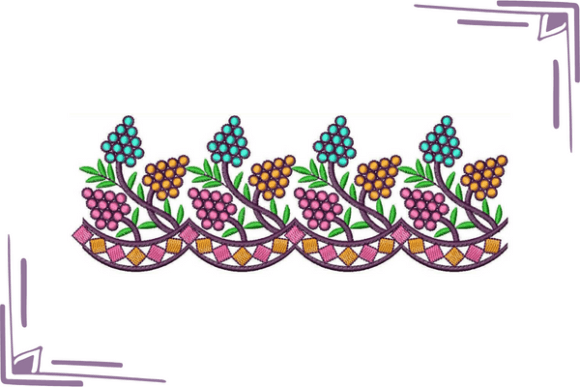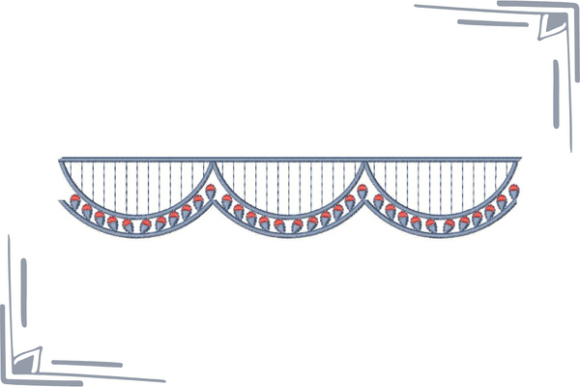
Dashing Cut Work Border Review
As an experienced embroidery designer who has spent years refining digital files for commercial use, I approach every new design with a critical eye. When evaluating Dashing Cut Work Border, my focus shifts immediately from simple aesthetics to its viability as a core asset for small business merch and branded patches. The description highlights that this wonderful design is beautifully embroidered with any fabric you like to work with, suggesting versatility that is crucial for modern brands. However, true professionalism lies in understanding how a machine embroidery design performs under the pressure of production.
First Impressions: Personality and Brand Fit
The title Dashing Cut Work Border suggests a design that is spirited, elegant, and perhaps slightly vintage or artisanal. In the world of brand identity, first impressions matter immensely. For a boutique, a creative studio, or a local bakery, this design feels friendly yet premium. It does not scream "corporate uniform"; instead, it whispers "handmade product" and "crafted with care." This visual personality makes it an excellent choice for businesses that want to emphasize their human touch, such as Etsy sellers or crafters selling handmade goods.
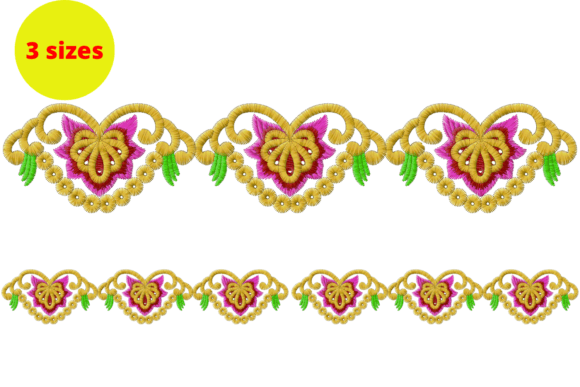
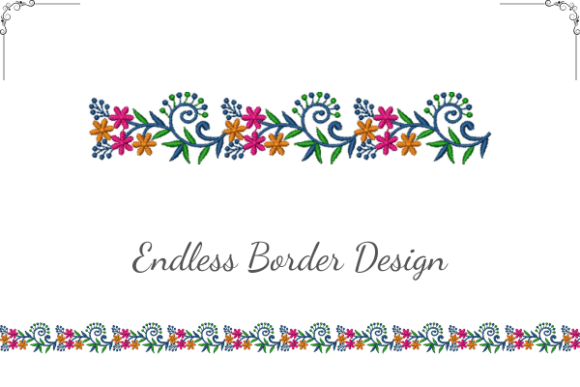
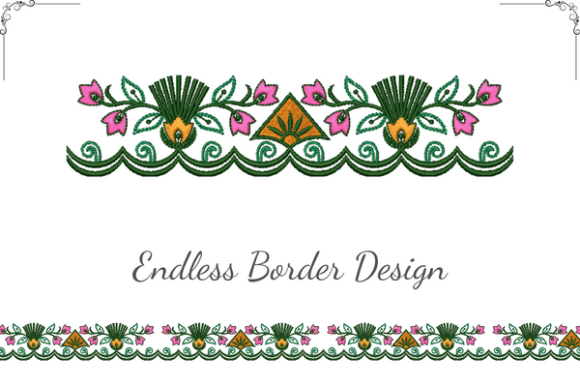
The mention of adding this beautiful flower embroidery to pillows, towels, apparel, or home decor indicates a floral motif that likely adds a colorful look to any project. From a branding perspective, this allows for flexibility. A florist could use it on apron embroidery to signal freshness, while a pet brand might apply it to tote bag designs to convey warmth and love. The design assets here are not just decorative; they serve as a visual shorthand for quality and attention to detail.
Real-World Business Applications
I have reviewed countless embroidery files, and the true test of a design is how it translates to finished products in a real-world scenario. Imagine a small café looking to upgrade their staff uniforms. A chest logo accent using Dashing Cut Work Border could elevate a standard black shirt into a signature piece of custom apparel. The border element provides a natural frame that can house a small icon or initial, creating a cohesive look without overwhelming the wearer.
For merchandise creators, this design is particularly valuable for embroidered patches. Patches are a staple of modern branding, often used on caps, denim jackets, or backpacks. If executed correctly, Dashing Cut Work Border can create a durable patch that withstands daily wear. Similarly, for event merch or customer gifts, applying this design to a tote bag design offers a high-perceived value item that customers actually want to keep. Unlike generic logos, a border design adds a sense of completeness and polish to the finished product.
Product designers and digital embroidery file buyers should also consider using this for product packaging accents. Stamping a small version of the design onto tags or boxes creates a consistent visual language. Whether it is a handmade soap brand or a local florist, having a unified embroidery style across all touchpoints—from the apron to the packaging—builds significant customer trust and recognition.
Where Caution is Required
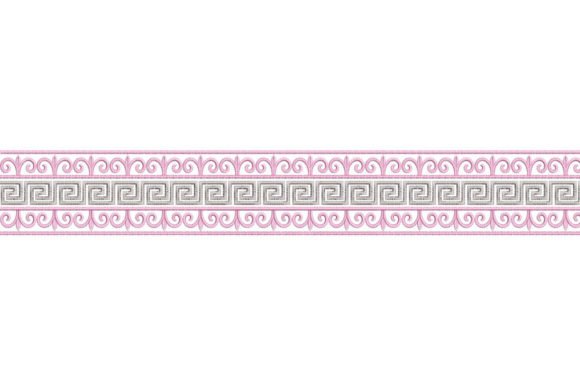
While the potential is high, an experienced designer knows where to exercise caution. Not every surface is suitable for every stitch density. Small patch sizes require careful consideration; if the cut work details are too intricate, they may merge together when stitched at a reduced scale, losing the "dashing" elegance described in the title. Cap fronts present another challenge due to their curved surfaces. While a border works well on flat fabric, the tension required to embroider a complex border on a curved cap crown can lead to puckering if the stabilizer is not chosen correctly.
Fabric texture plays a massive role in the final outcome. On highly textured fabrics, the definition of the cut work may be lost. Furthermore, dark uniforms demand specific thread color choices to ensure visibility. If the design relies on fine outlines, those details might disappear against a black background unless high-quality contrast threads are used. Items that need frequent washing, such as work shirts or kitchen aprons, must be tested for durability. High stitch density can sometimes make a garment stiff, affecting comfort, so balancing the design's beauty with wearability is essential.
Impact on Brand Identity and Value
In the competitive landscape of small business merch, visual consistency is key. Using a design like Dashing Cut Work Border signals to your audience that you invest in quality. It moves your brand perception away from mass-produced and toward artisanal and bespoke. When a customer sees a neatly embroidered border on a tote bag or a crisp patch on a cap, it validates the price point of your products. It tells them that you care about the details, which translates to trust in your primary offerings.
This design also enhances buyer engagement. A unique border design can become a recognizable symbol of your brand, much like a classic monogram. It adds a layer of sophistication to simple items like towels or home decor, increasing the perceived value of the gift or product. For handmade brands, this level of detail justifies the premium pricing often associated with handcrafted goods.
Practical Designer Notes for Production
Before committing to a full production run, I always advise testing the design rigorously. Start by converting the design to black and white to check the balance of stitches and negative space. Does the layout hold up without the distraction of color? Next, verify the stitch density. If the file is too dense, it will feel like cardboard; if too sparse, it may lack structure.
Thread color contrast is another critical factor. Ensure the selected colors pop against the intended fabric texture. You must inspect the spacing carefully; borders often require more room than central motifs to breathe. Confirming the hoop size is vital to ensure the entire design fits within the stitching area without distortion. Always test on real fabric rather than a swatch, as different materials react differently to the needle and stabilizer.
Using the proper stabilizer is non-negotiable for maintaining the shape of the border. Without adequate support, the cut work elements may distort during the wash cycle. Creating a printable mockup before sewing can help clients visualize the final result and approve the placement. Compare the design beside other design assets to ensure it aligns with your existing brand guidelines. Finally, confirm commercial licensing before business use to avoid legal issues. If exact stitch counts, file formats, or specific license terms are not provided in the product listing, you must contact the creator to clarify these details before proceeding with commercial embroidery projects.
Dashing Cut Work Border offers a compelling option for those seeking to add a touch of elegance and professionalism to their small business merchandise. By understanding its strengths and limitations, you can leverage this embroidery file to create standout branded patches, custom apparel, and memorable product labels that resonate with your customers.